MY COSMIC ART
Early in my art career, I looked to science for a contemporary description of reality. I became interested and fascinated by particle physics and of the minute structures of the microcosmos. I learned that all form is transitory and the entire cosmos is engaged in a perpetual dance of matter and energy. Applying this insight to my immediate environment I became aware that the entire material world that we call “reality” is both interdependent and interconnected.
Based on these scientific insights into the nature of reality, in the 1970’s I began to develop a unique pointillistic painting technique that used points of color as a visual metaphor for the components of the sub-atomic universe – the microcosmos.
Into these fields of color points I integrated calligraphic lines, symbols and geometric shapes to create a visual representation of the dynamic cosmos. Over the years I applied this “pointillistic” painting technique to a variety of artistic expressions that included both abstract and hyperrealistic paintings as well as three-dimensional artworks.
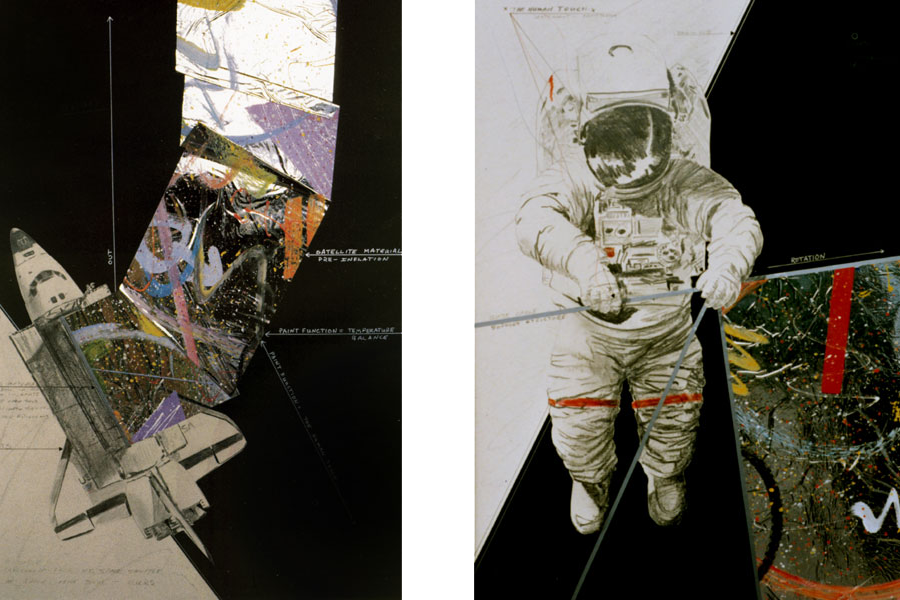
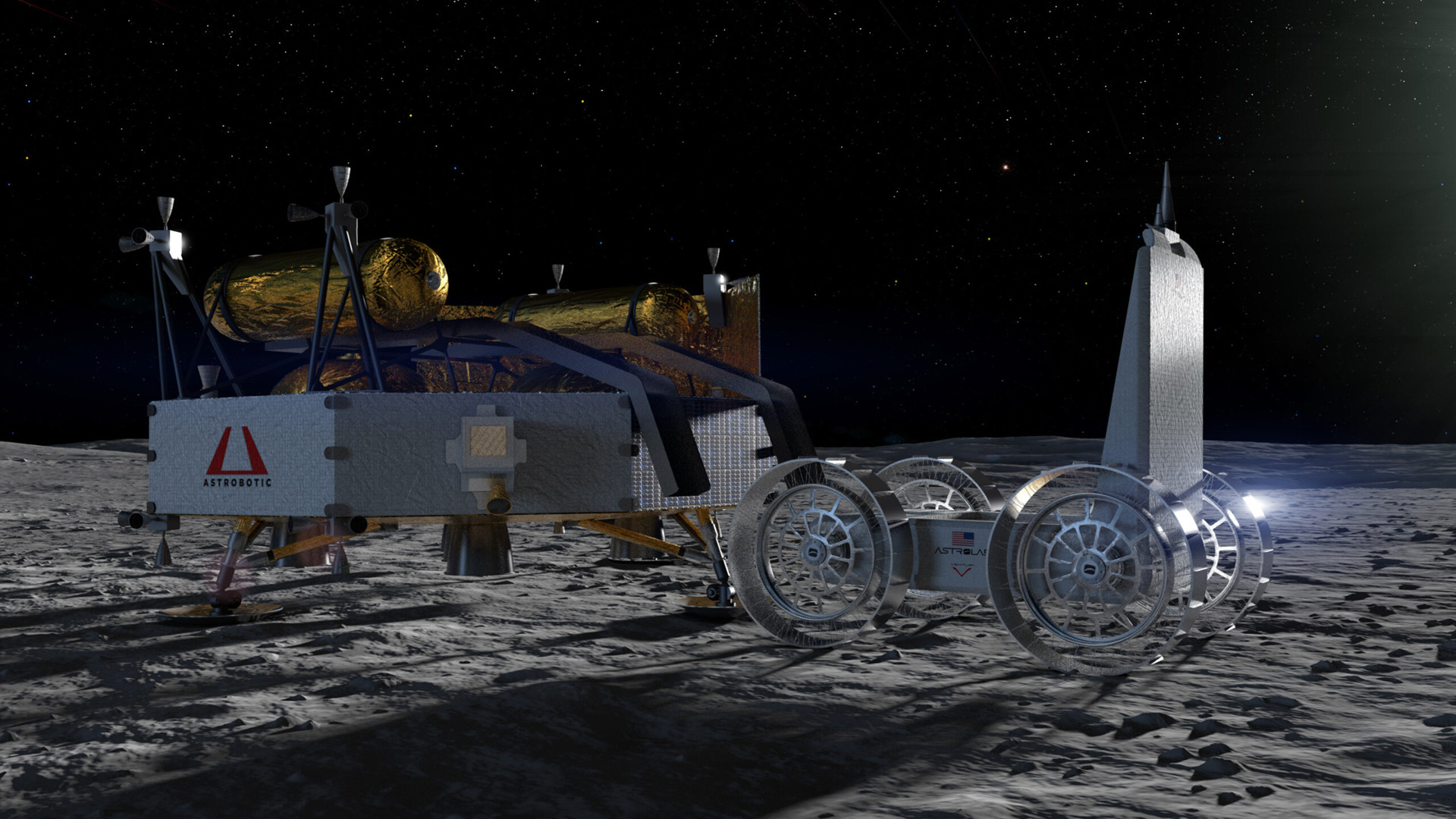
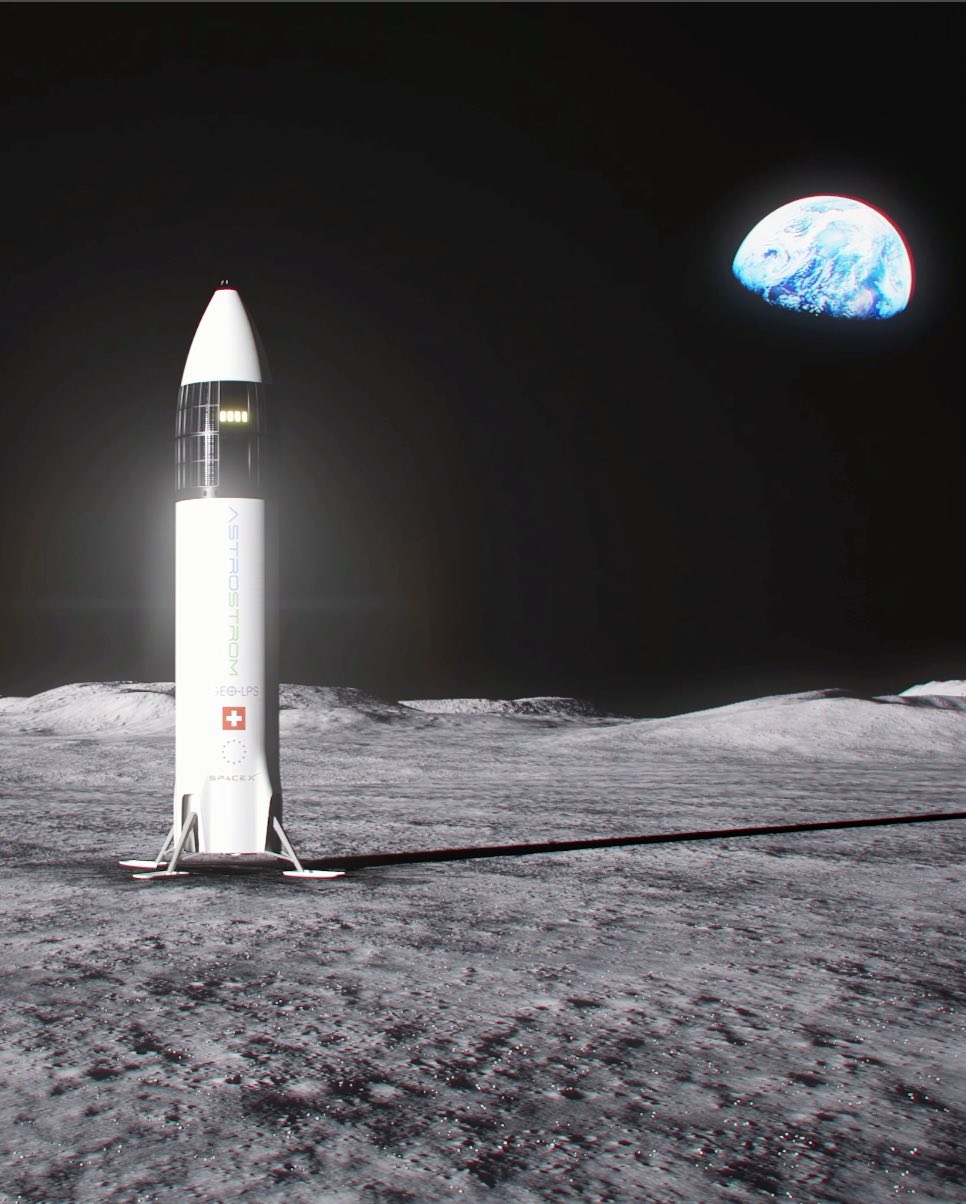
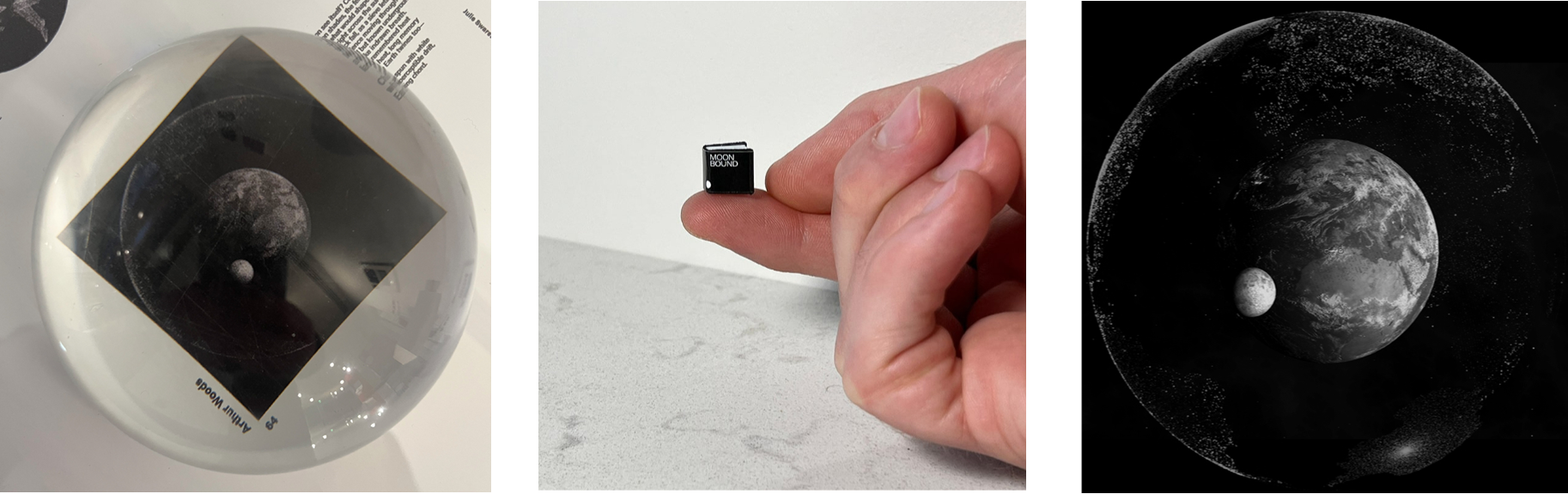
In the mid-eighties I began to integrate the concept of the macrocosms into my art which led to a series of “art-in-space” interventions that were designed for the outer space environment. Two of my space art projects were realized in Earth orbit on the Russian Mir space station. The Cosmic Dancer sculpture in 1993 and Ars Ad Astra in 1995. In late 2026, my contribution to the Moon Bound book will be launched to the Moon.
PAINTINGS
About Space
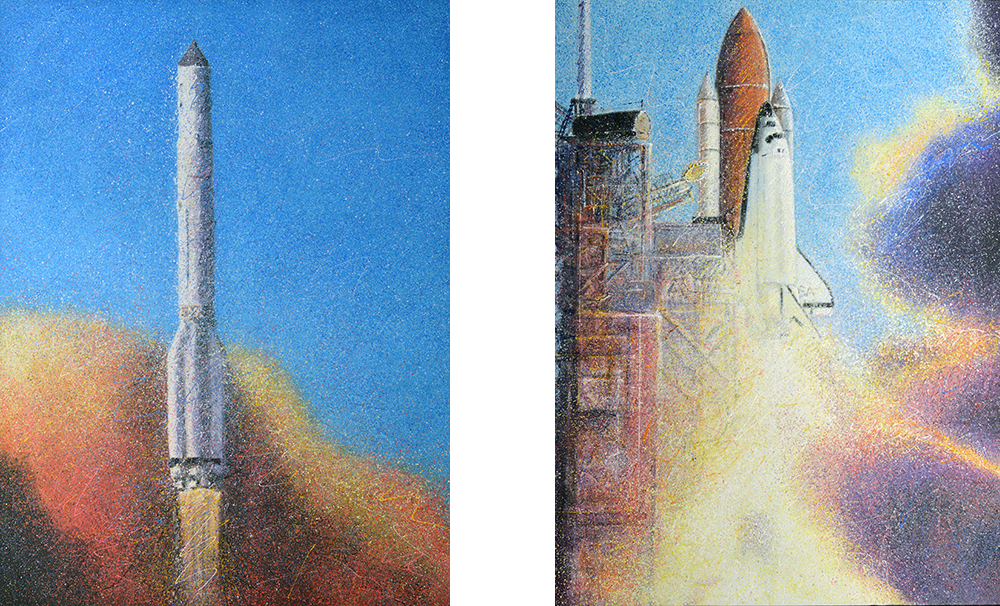
Lift Off
Russian Proton Launch and Space Shuttle Launch
Acrylic on Canvas, 160 x 120 cm, 1988
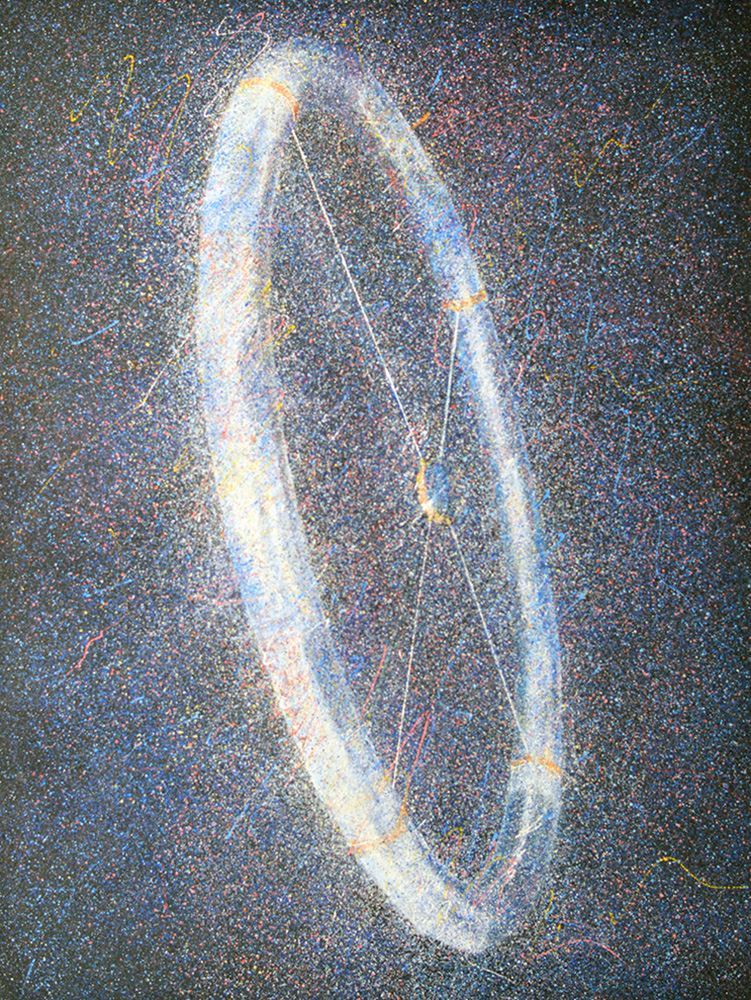
Space Peace Sculpture
Acrylic on Canvas, 160 x 120 cm, 1988
PAINTINGS
About Earth
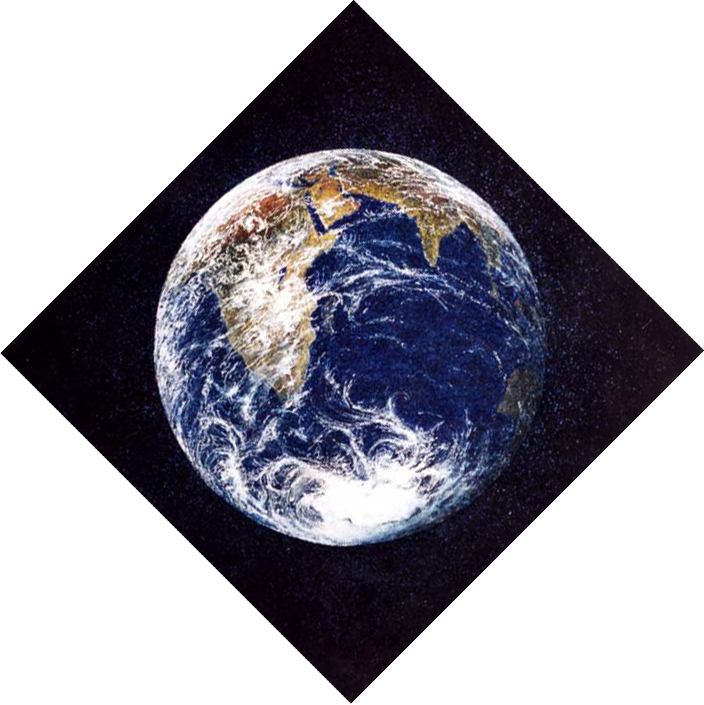
Home Planet
Acrylic on Canvas, 160 x 160 cm, 1992
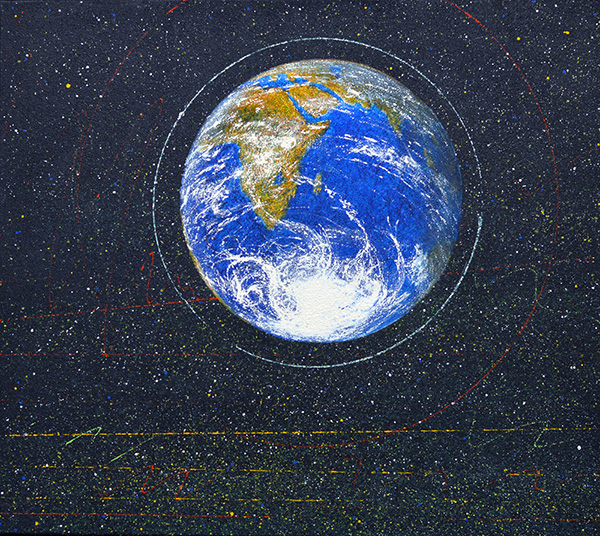
Earth Energies
Acrylic on Canvas, 70 x 80 cm, 1995
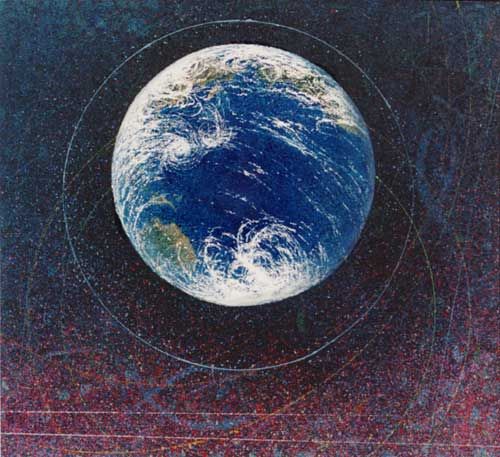
Greater Earth 2
Acrylic on Canvas, 110 x 120 cm, 1993
PAINTINGS
About the Cosmos
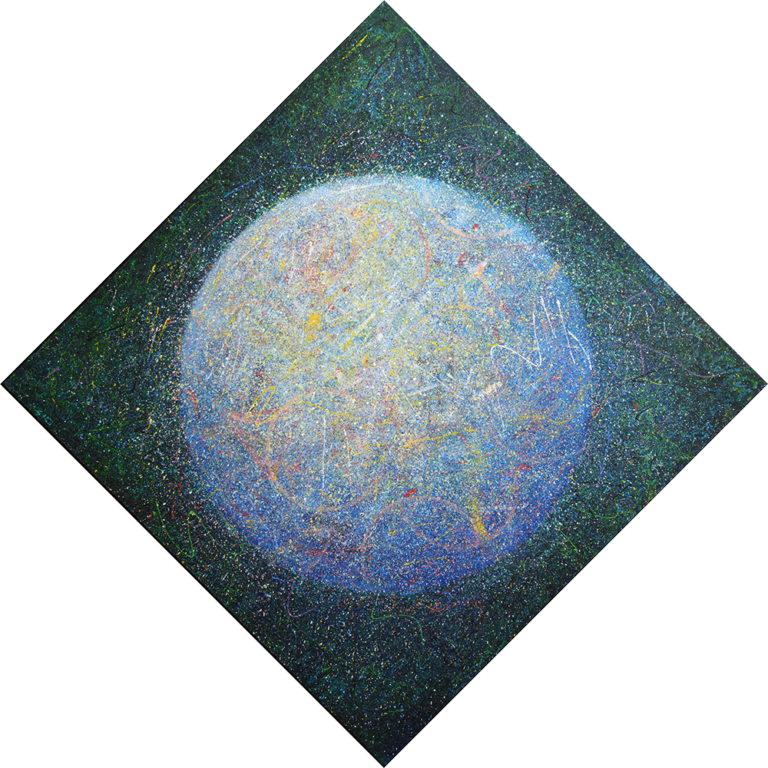
Song of Our Star
Acrylic on Canvas, 120 x 120 cm, 1995
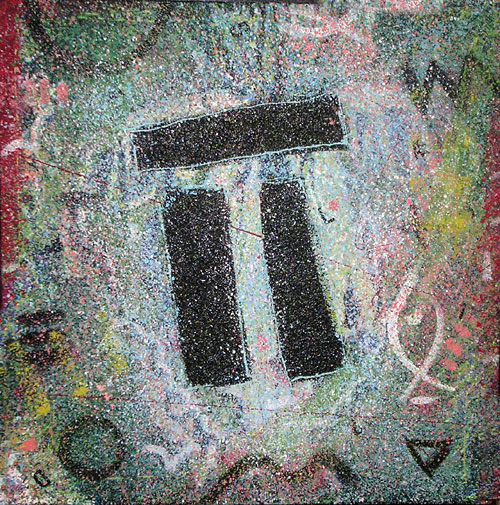
Signs & Symbols
Acrylic on Canvas, 80 x 80 cm, 1995
PAINTINGS
Beyond Gravity
My interest in space and physics has had a major influence on my art, especially on my approach to painting. I learned that gravity on Earth has to do with the force that the acceleration of Earth imparts to objects on or near its surface. Gravity, as a terrestrial environmental factor, may hardly be considered as essential to the creation of art, yet it has profoundly influenced and determined both the conception and the perception of art since its beginnings. Basically gravity gives us an “up and down” orientation to the environment in which we live. Therefore, paintings, particularly those with a rectangular shape usually have a “natural” top and bottom orientation because this reflects how the viewer and the artist perceive the world we live in.
I began to explore how gravity influenced my painting with a series of works that had a six-sided geometric shape. These two-dimensional works could then be mounted on a wall in any position as there was no natural “top or bottom” orientation. The shading of some the triangular areas created by the intersections of the lines, added a perceptual component to the works which created a three-dimensional effect. How the work was positioned imparted a specific uniqueness to its perception as seen in the images of the same painting below.
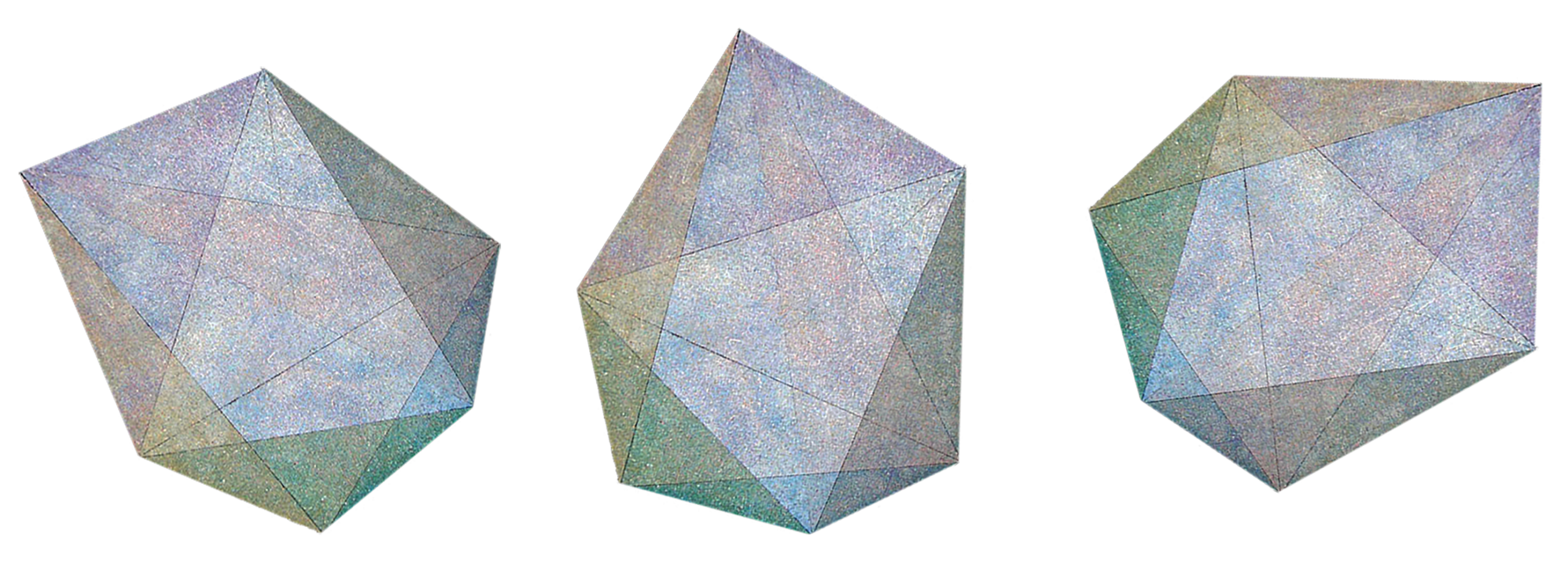
Voyager Series
Acrylic on Canvas, 130 x 100 cm, 1995
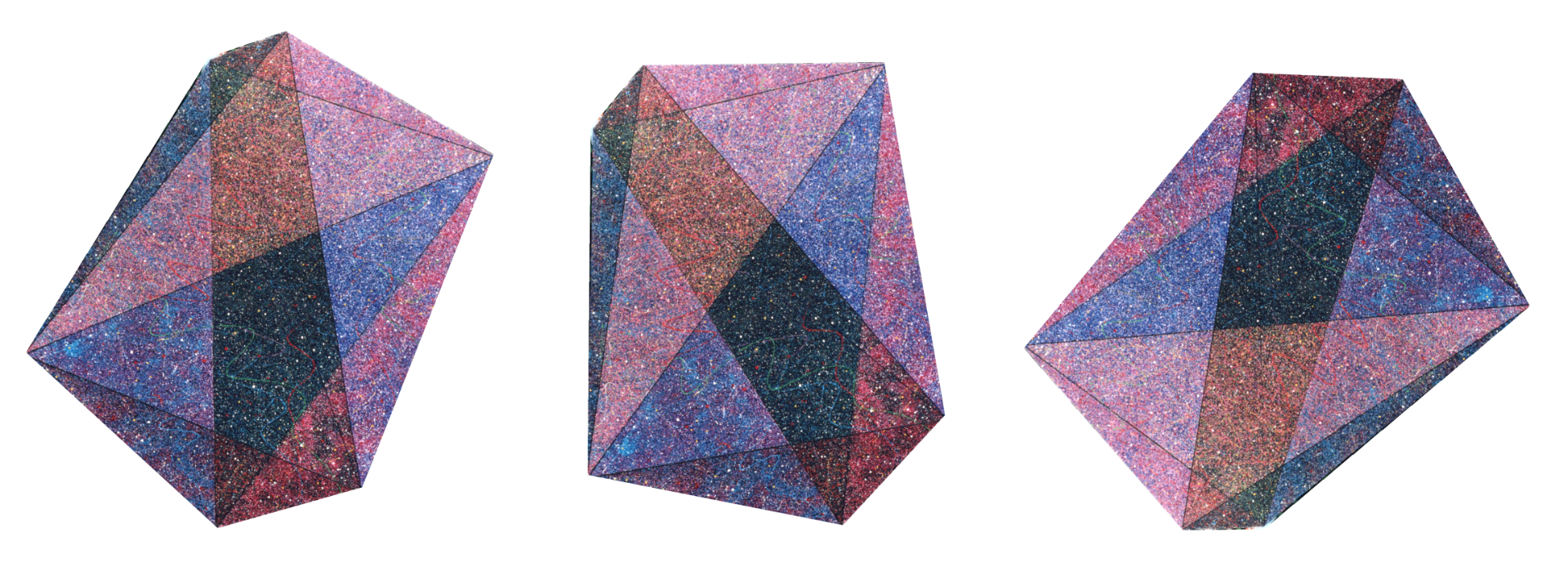
Voyager Series
Acrylic on Canvas, 120 x 90 cm, 1994
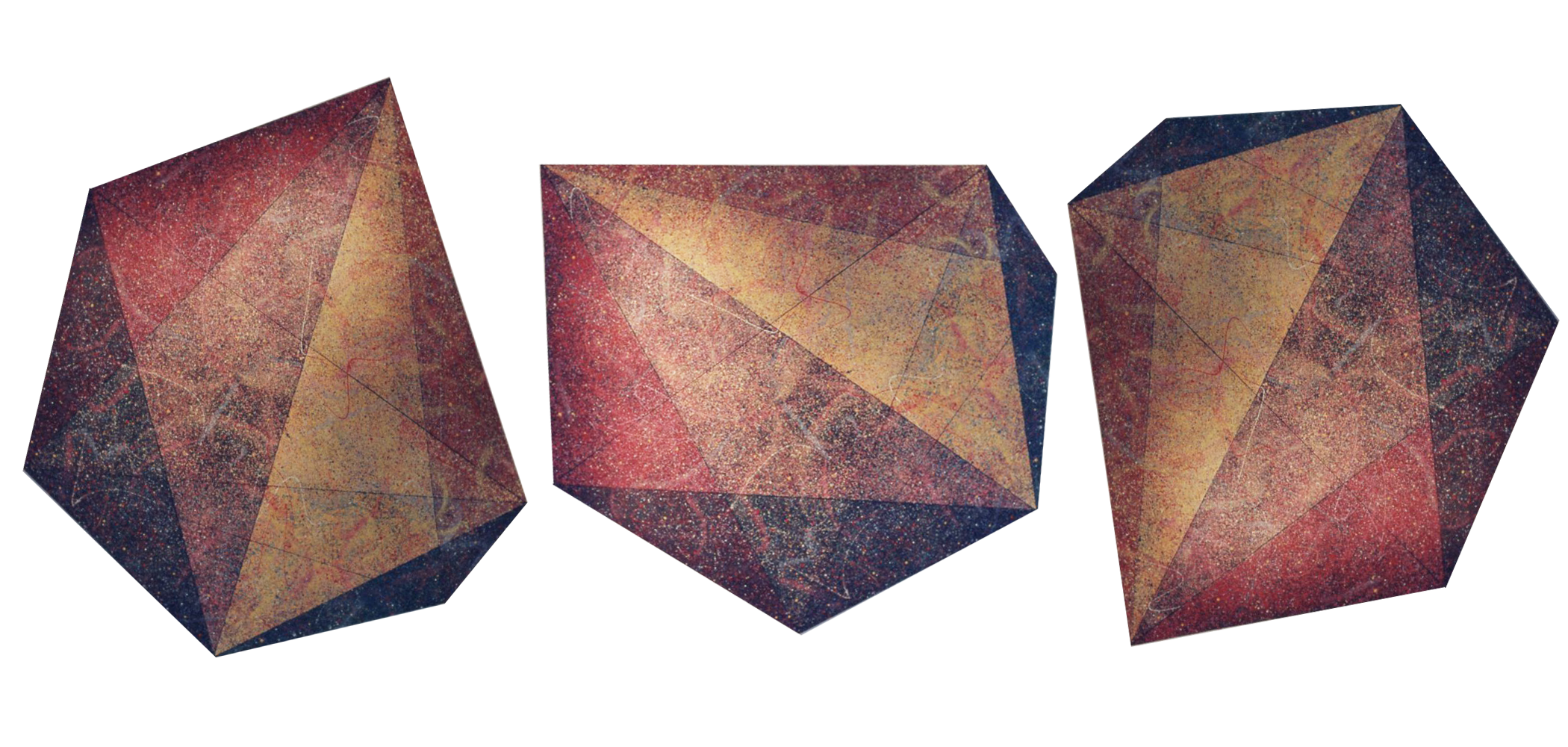
Voyager Series
Acrylic on Canvas, 130 x 100 cm, 1995
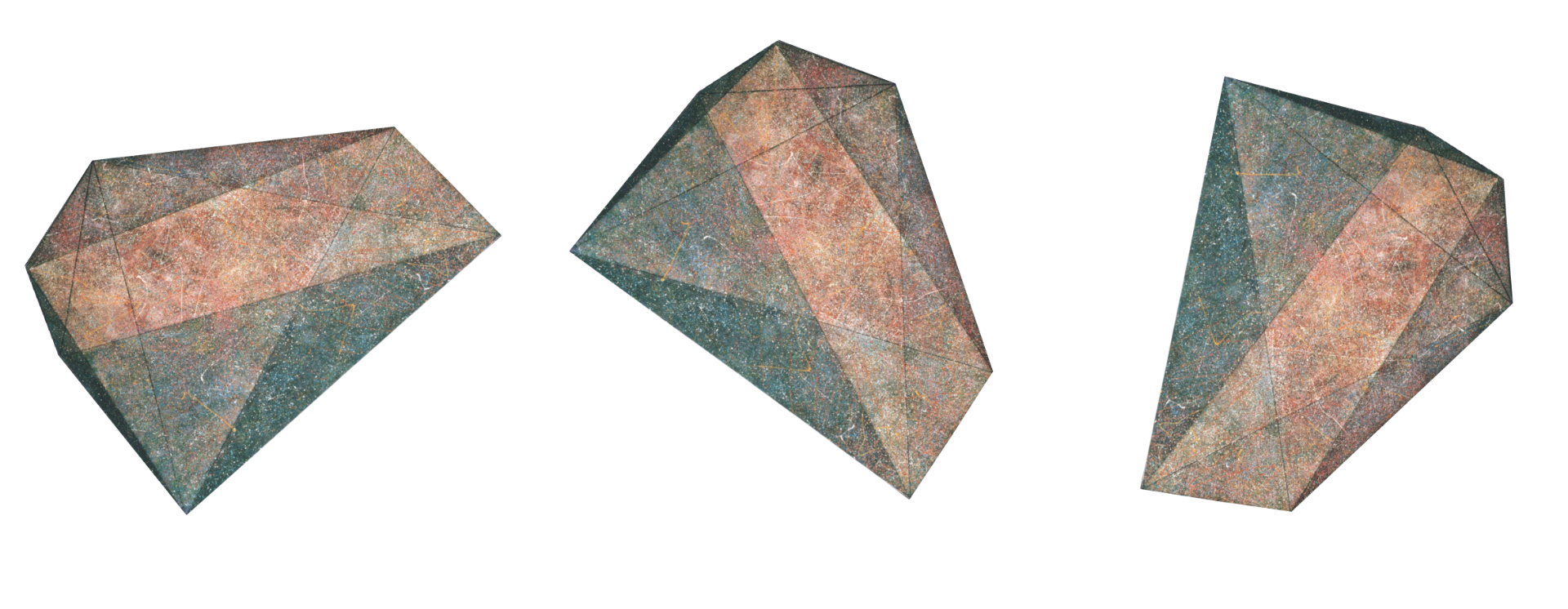
Voyager Series
Acrylic on Canvas, 120 x 92 cm, 1994
OBJECTS
Stones
The Cosmic Stones are common, naturally formed stones that have been found and collected in the area where I live in Switzerland. They are painted in my unique artistic technique and are prepared for spaceflight into the cosmos.
Definition:
cos-mic
Pronunciation: ‘käz-mik
Variant(s): also cos·mi·cal
Function: adjective
Etymology: Greek kosmikos, from kosmos order, universe
- : of or relating to the cosmos, the extraterrestrial vastness, or the universe in contrast to the earth alone
- : characterized by greatness especially in extent, intensity, or comprehensiveness
stone
Pronunciation: ‘stOn
Function: noun
Etymology: Middle English, from Old English stAn; akin to Old High German stein stone, Old Church Slavonic stena wall, and perhaps to Sanskrit styAyate it hardens
-
- Concreted earthy or mineral matter; rock.
- Such concreted matter of a particular type. Often used in combination: sandstone; soapstone.
- A small piece of rock.
- Rock or a piece of rock shaped or finished for a particular purpose, especially:
- A piece of rock that is used in construction: a coping stone; a paving stone.
- A gravestone or tombstone.
- A grindstone, millstone, or whetstone.
- A milestone or boundary.
- A gem or precious stone.
- A Cosmic Stone – a stone from the Earth sent into the cosmos
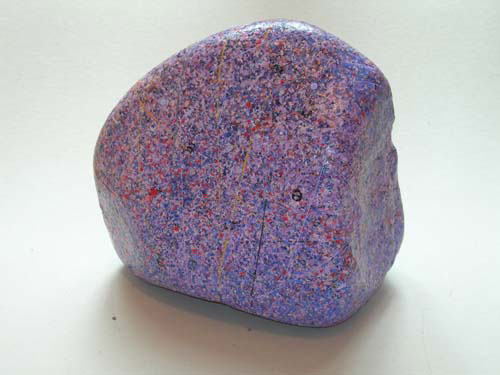
Cosmic Stone
Acrylic on Stone, 2010
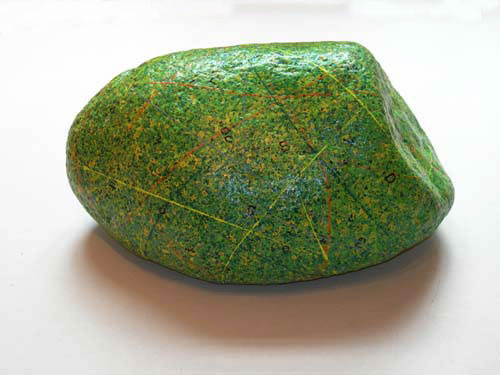
Cosmic Stone
Acrylic on Stone, 2010
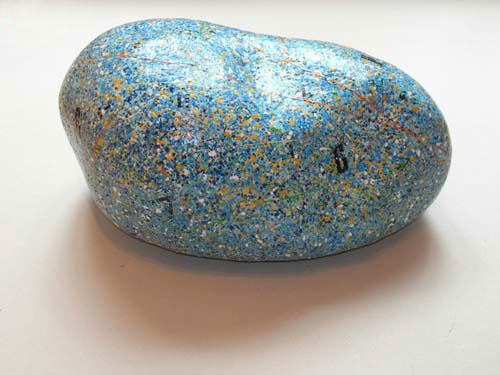
Cosmic Stone
Acrylic on Stone, 2010
Works On Paper
About Life
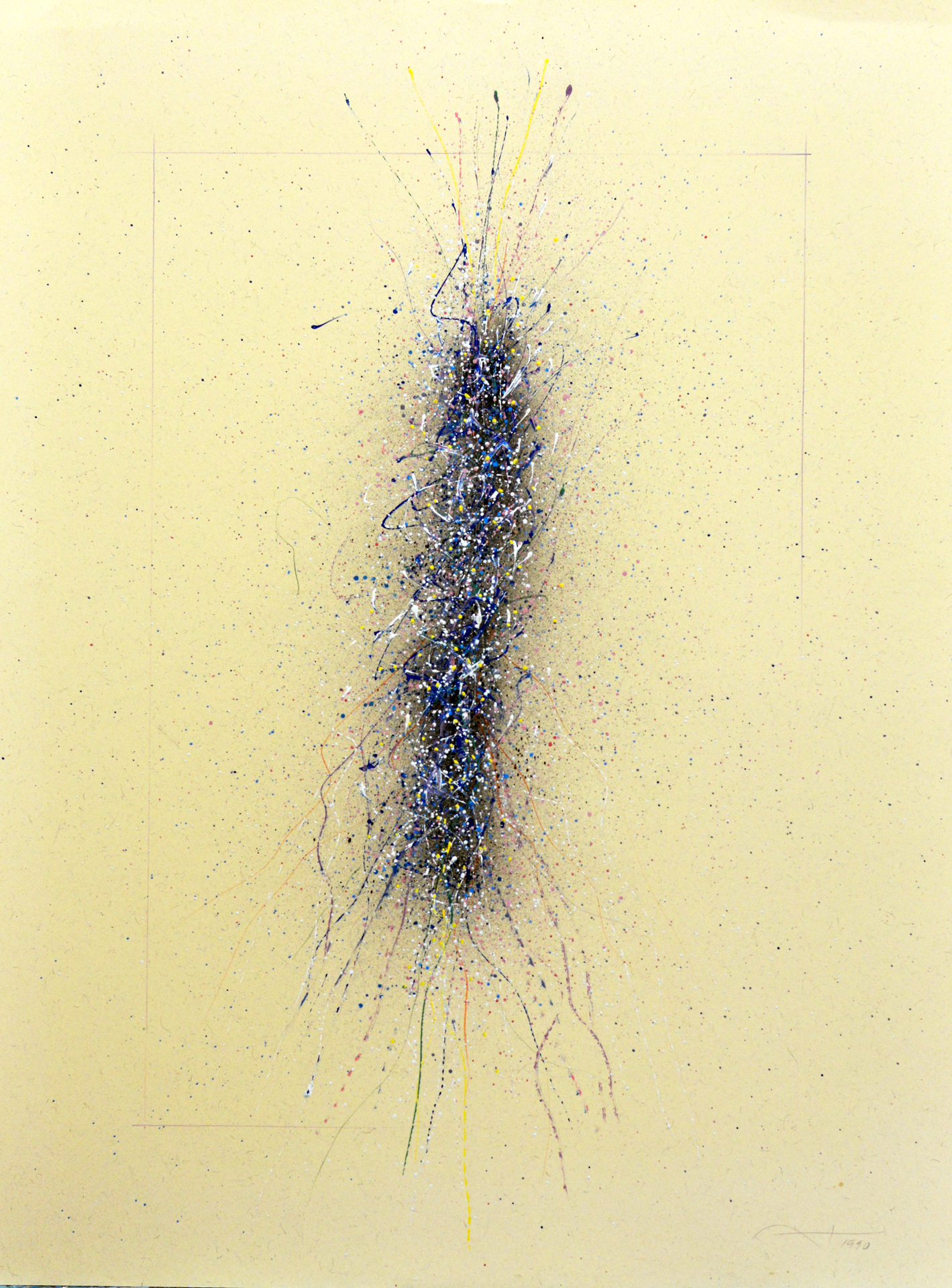
Organic Drawing
Acrylic on Paper, 80 x 60 cm, 1991
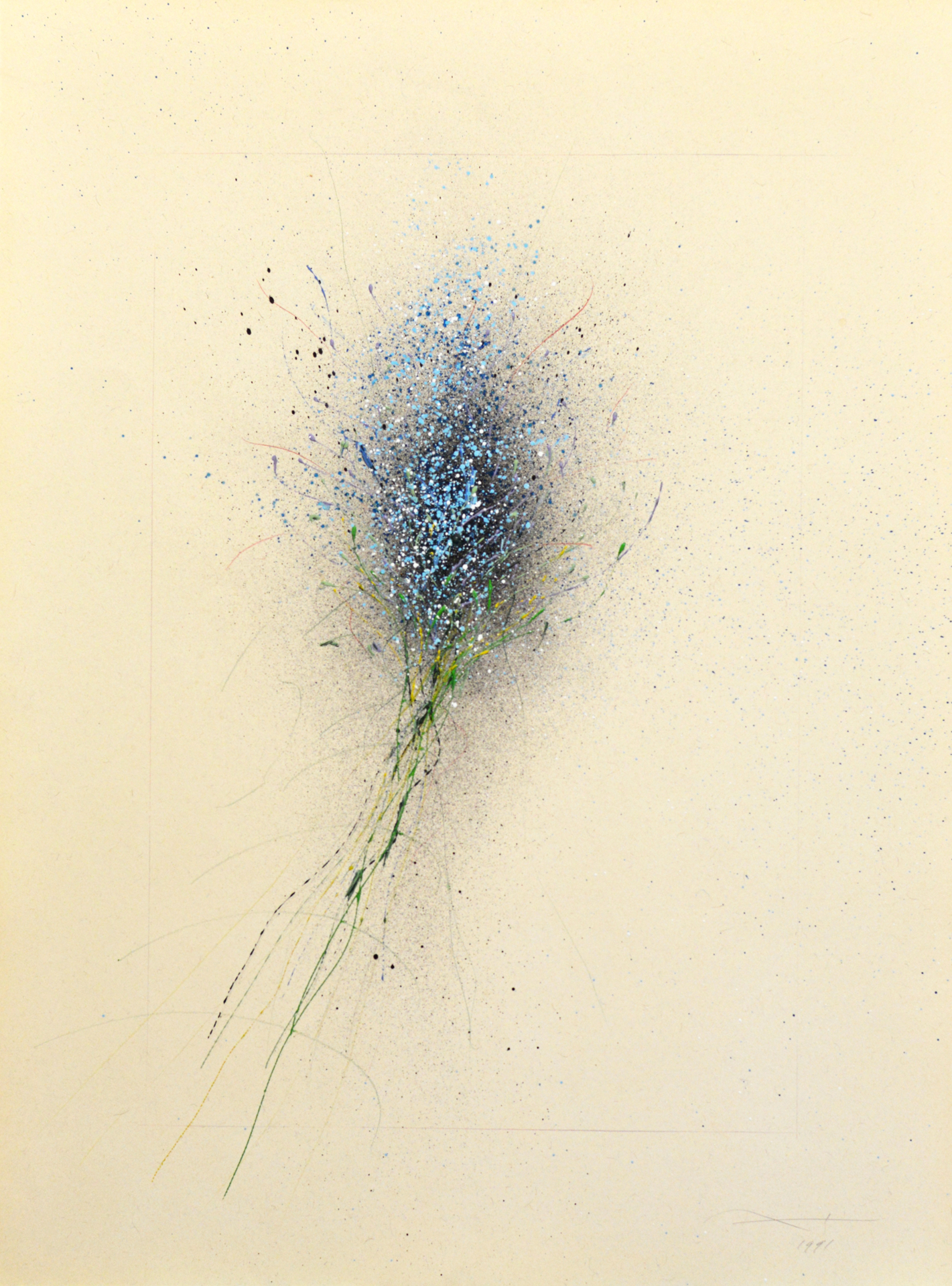
Organic Drawing
Acrylic on Paper, 80 x 60 cm, 1991
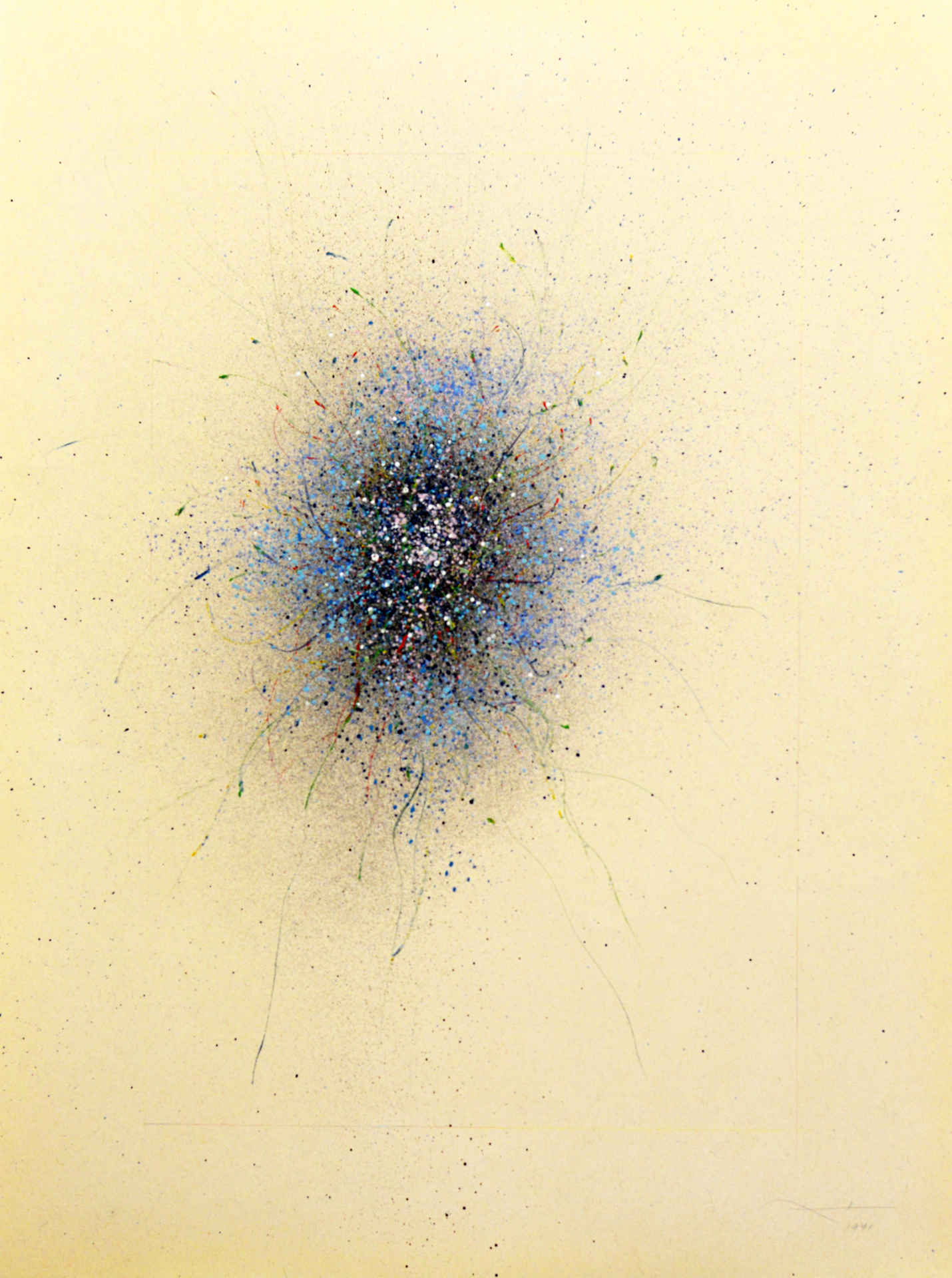
Organic Drawing
Acrylic on Paper, 80 x 60 cm, 1991
SCULPTURE
On Earth
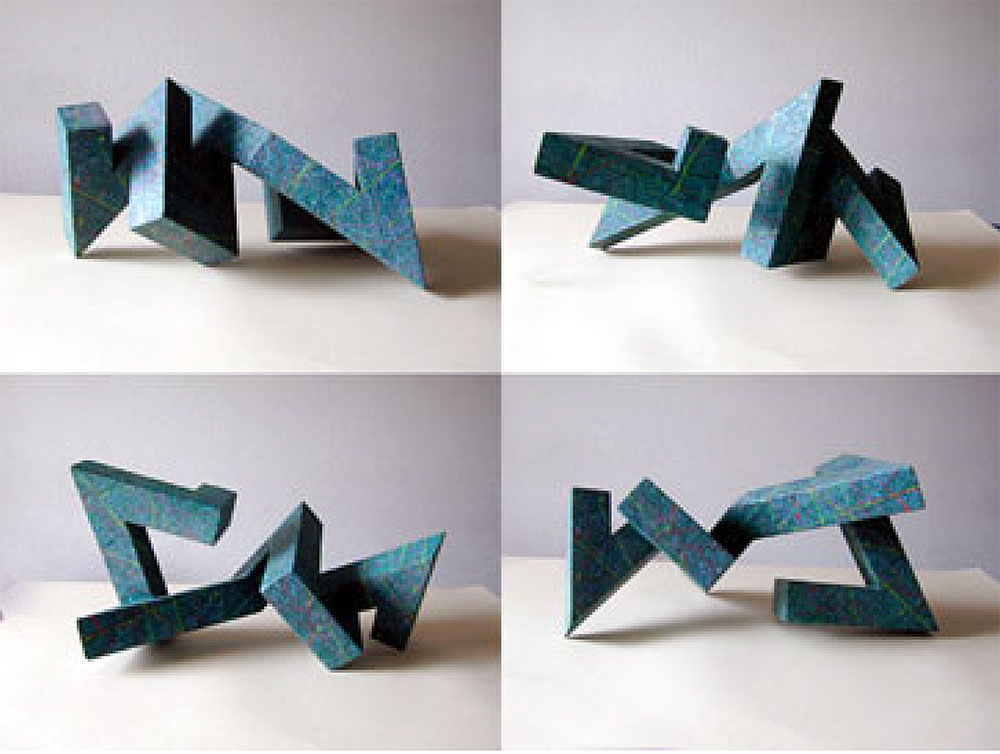
Reclining Cosmic Dancer
Acrylic on Wood, 60 x 25 cm, 1990
In 1981 I began to construct my own sculptural forms – twisted geometric shapes made mostly of wood and steel. I also painted these forms with pointillistic spots and calligraphic lines. My rationale for applying my painting technique to the sculptures was three-fold: (1)1 wanted to translate my expression of the microcosmos onto a tangible form, I wanted to make 3D paintings and I wanted to disguise the material or remove its quality from the overall perception of the sculpture.
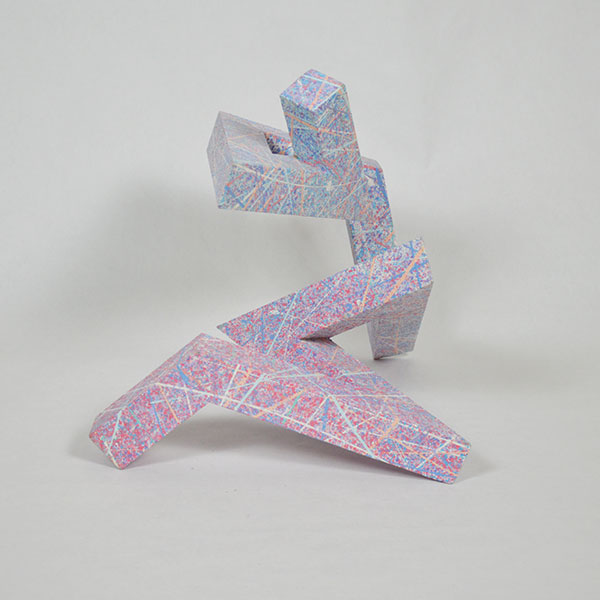
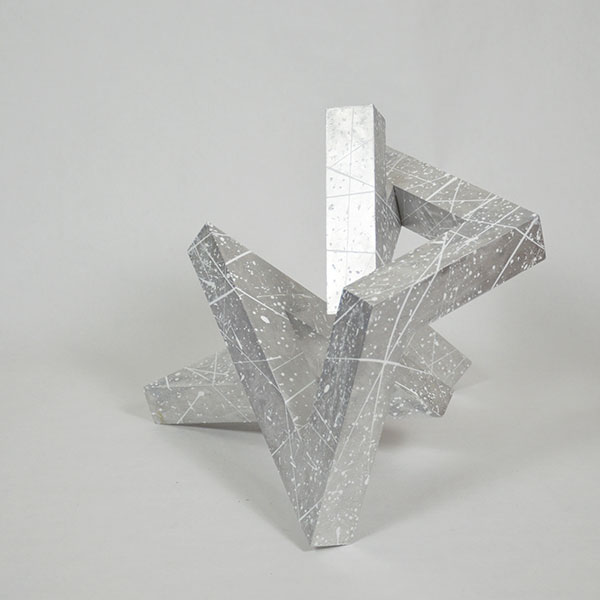
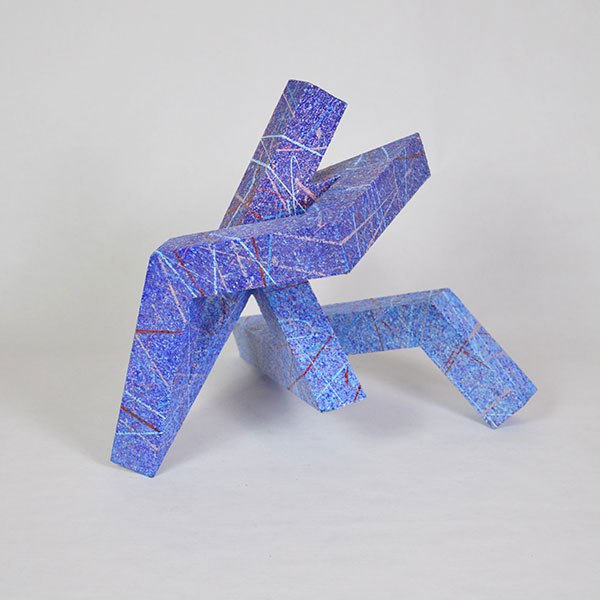
This resulted in a series of sculptures that I have executed since 1981 called the Cosmic Dancers.
This title was inspired by the description of the universe found in both modern physics and Eastern religions – a cosmos made up of a dynamic flow of energy and matter. The geometric constructions of these sculptures caused them to have multiple resting points. This allowed the sculptures to be turned and poised in different positions, which in effect makes each of them appear, when viewed from a variety of angles, to be a variety of sculptures. Although each sculpture has a unique form, the painting on the sculptures serves as a means to identify each one in all of its various resting positions. Depending on the complexity of the sculpture, usually four to eight different resting positions can
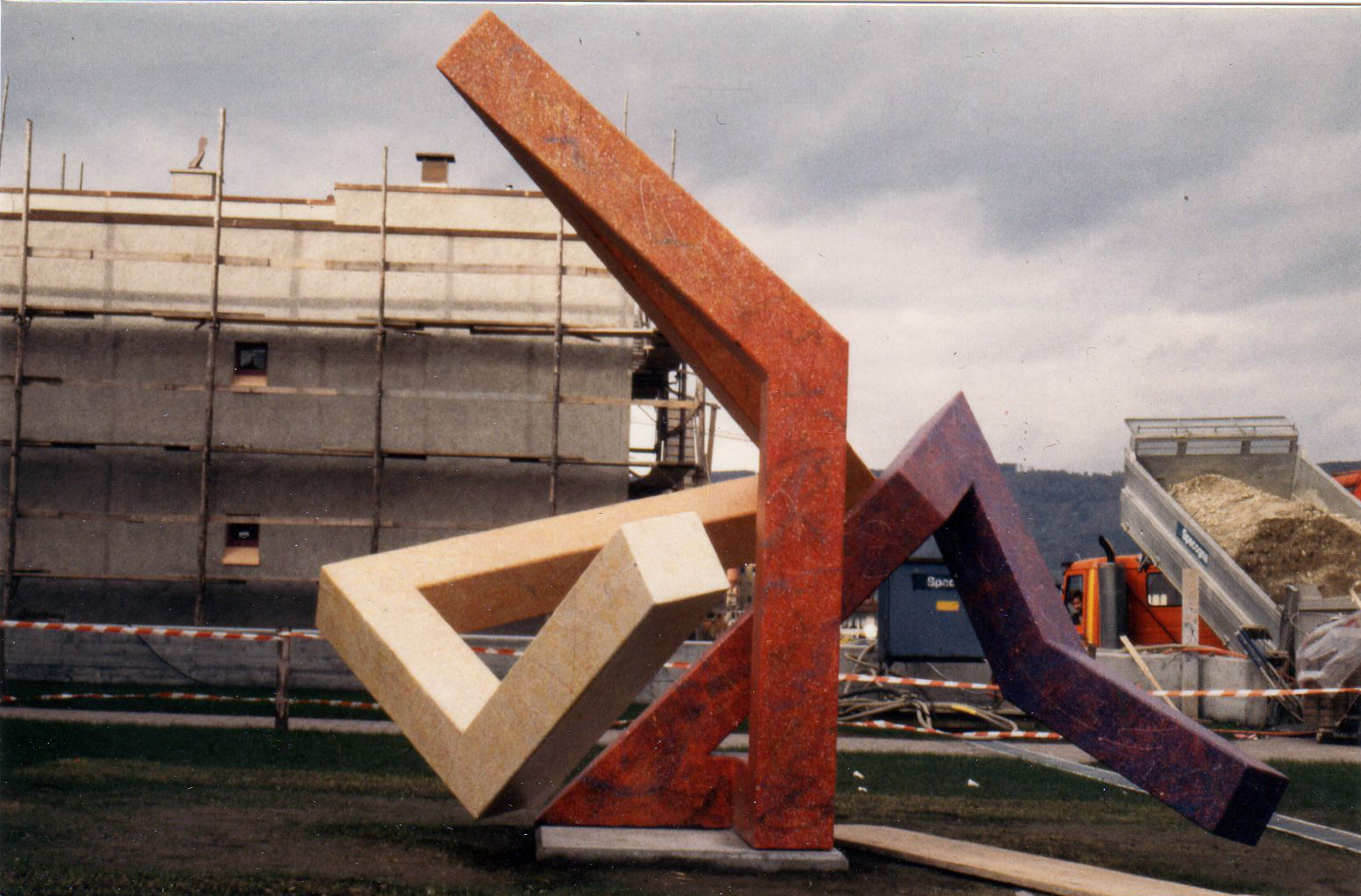
A Cosmic Dancer for Embrach
Acrylic on steel, 3 meters in height, 1984. This sculpture was installed outdoors in the Specogna Complex, Embrach, Switzerland.
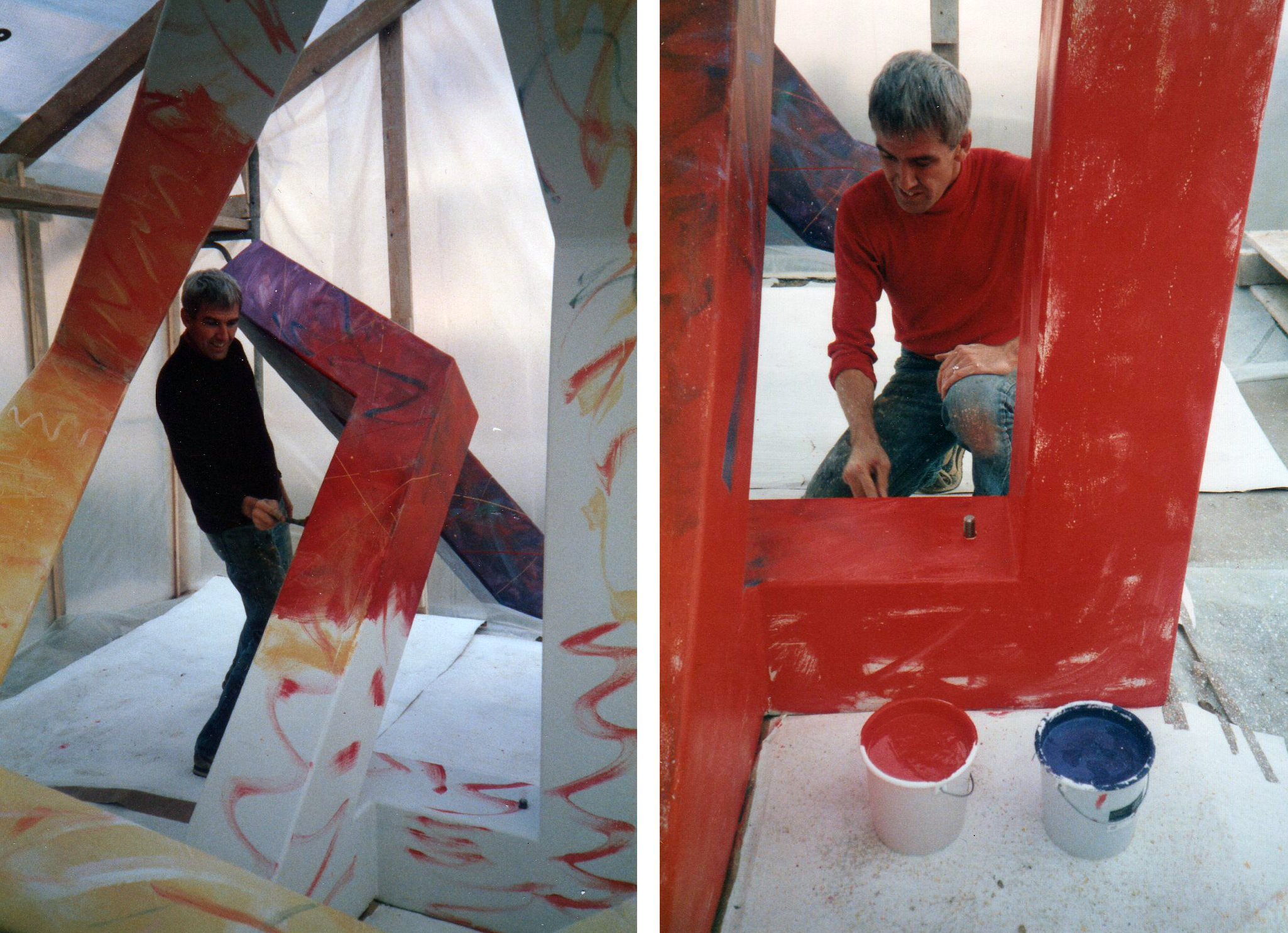
Cosmic Dancer
Painting the Cosmic Dancer on site in Embrach, Switzerland, 1984
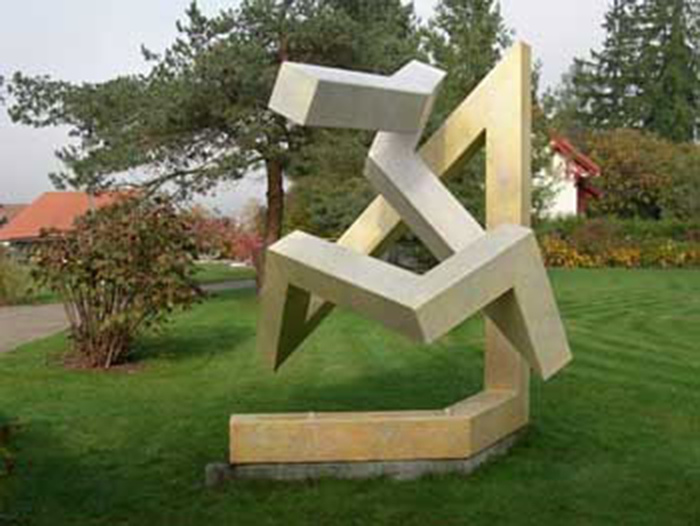
A Cosmic Dancer for Glattfelden
This sculpture was installed outdoors in the Specogna apartment complex, Glattfelden, Switzerland.
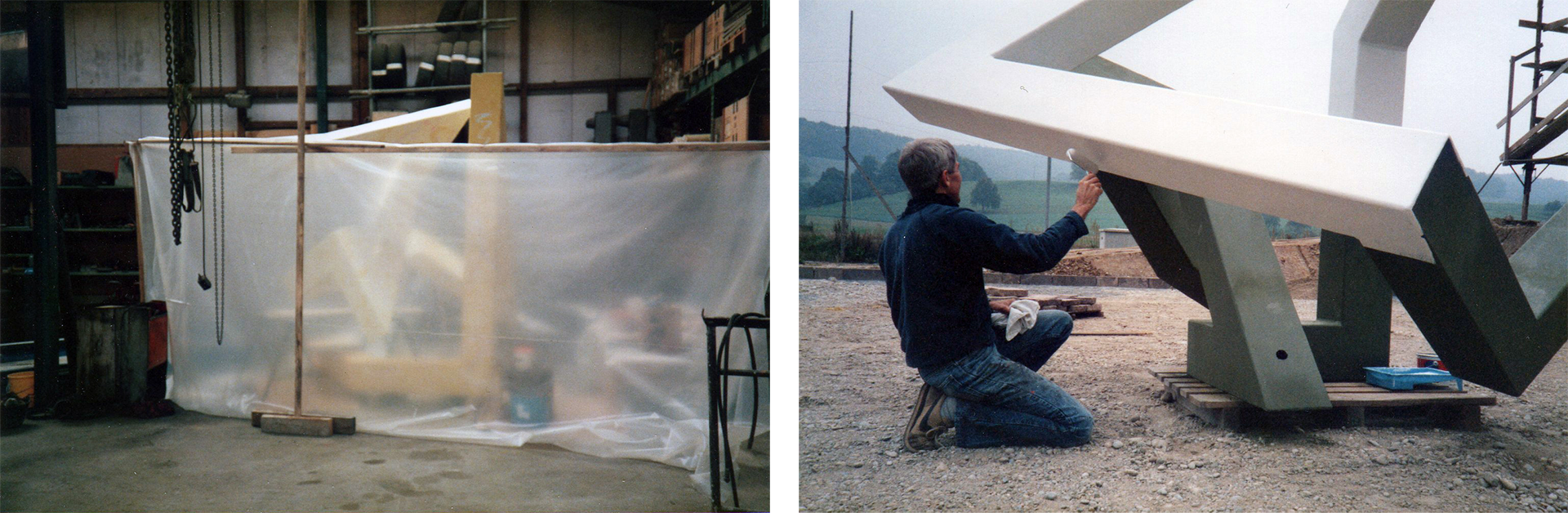
Painting the Cosmic Dancer
Acrylic on steel, 3 meters in height, 1985
SCULPTURE
In Space
When imagining human civilization extended into outer space, I think it is obvious that the art of this civilization will take advantage of its new environment. The qualities specific to this environment will have a fundamental effect on both the conception and perception of the artworks in it—much like the “gravity constant” has had on the evolution of terrestrial art. A sculpture floating in a zero-G environment could be viewed from an infinite number of perspectives or angles. I decided to further develop the Cosmic Dancer series by introducing these works to the weightless environment of outer space. When this occurs, they will be viewed from an infinite number of perspectives made possible by the outer space environment.
On May 22, 1993, my sculpture called the Cosmic Dancer was launched to the Russian Mir space station on a Progress rocket from the Baikonur Cosmodrome in Kazakhstan.
The Cosmic Dancer – a painted geometric form made out of welded aluminum tubing measuring approximately 35 x 35 x 40 centimeters and weighing exactly one kilogram – was the first three-dimensional artwork to be specifically conceived for and officially realized in a space habitat. The purpose of the project was to investigate the properties of sculpture in weightlessness and to evaluate the integration of art into the human space program.
After its arrival on the Mir space station the Cosmic Dancer was allowed to slowly spin and freely float in the weightless environment. Freed from the force of gravity which causes any sculpture on Earth to rest or be positioned in a certain way, the sculpture could be viewed from any perspective and angle. The cosmonaut crew interacted with the sculpture and evaluated the contribution and importance of having it included in their environment.
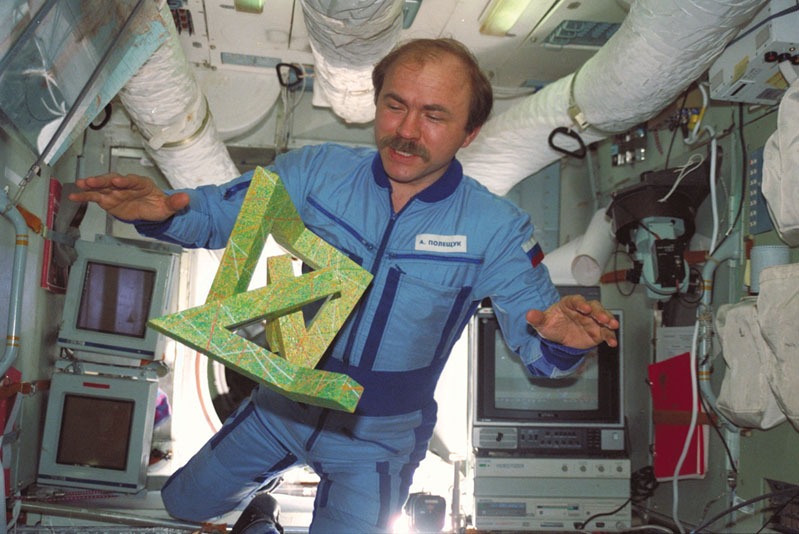
Cosmonaut Alexander Polischuk, Mir space station 1993
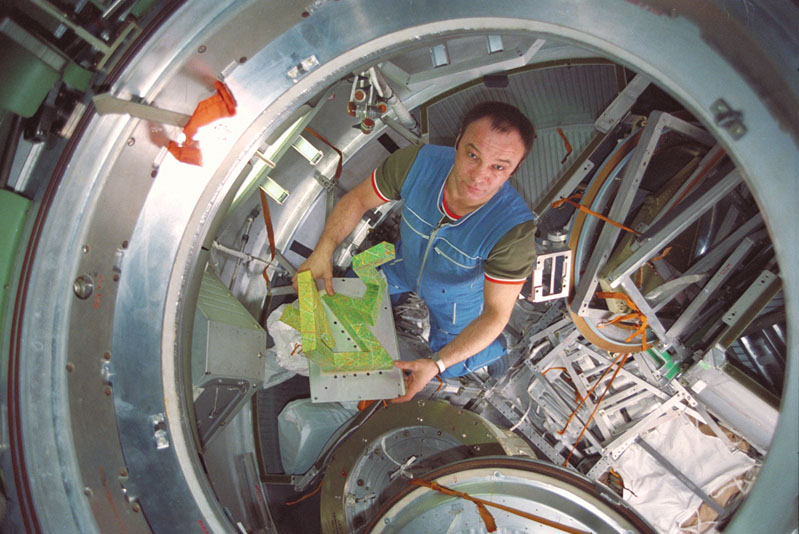
Cosmonaut Gennadi Manakov, Mir space station, 1993
To finance the spaceflight of the Cosmic Dancer to the Mir space station, I created 99 versions of the Cosmic Dancer. Each Cosmic Dancer is made out of welded aluminum tubing and is the exact same size (35 x 35 x 40 cm) and shape as the one sent to the Mir space station. Each one is painted by me in a different color composition making each Cosmic Dancer a unique and original artwork.
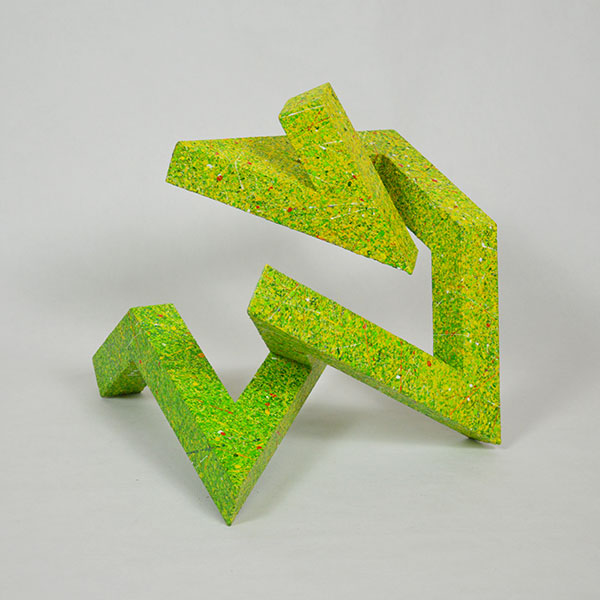
Moon Bound
To the Moon
Greater Earth to the Moon
Greater Earth (1 x 1 cm) was selected for the Moon Bound Book to be launched to the Moon at the end of 2026.