Greater Earth Energy Synergies
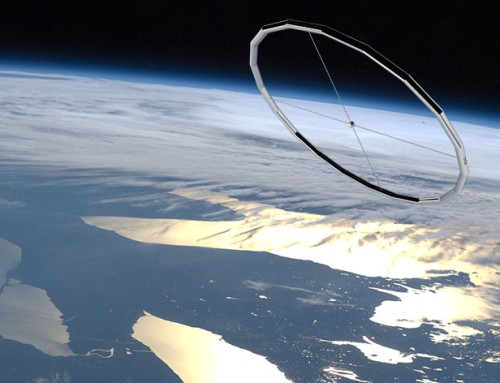
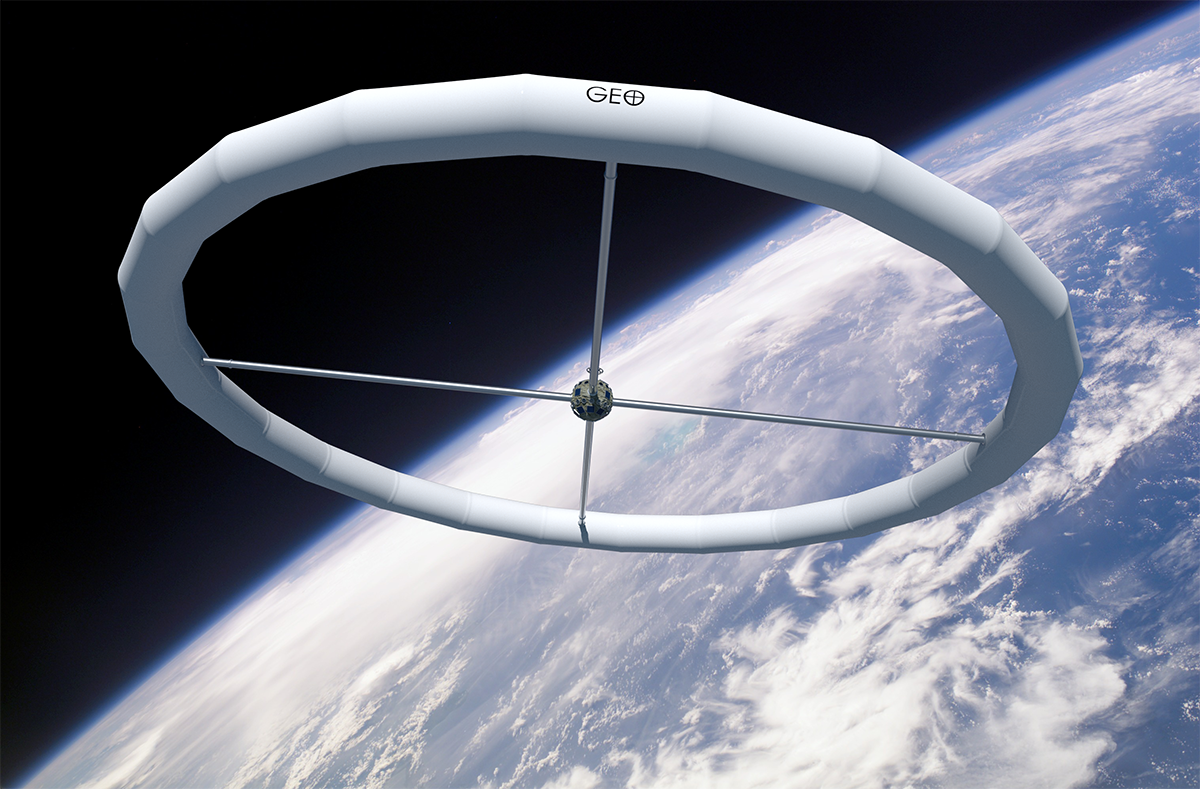
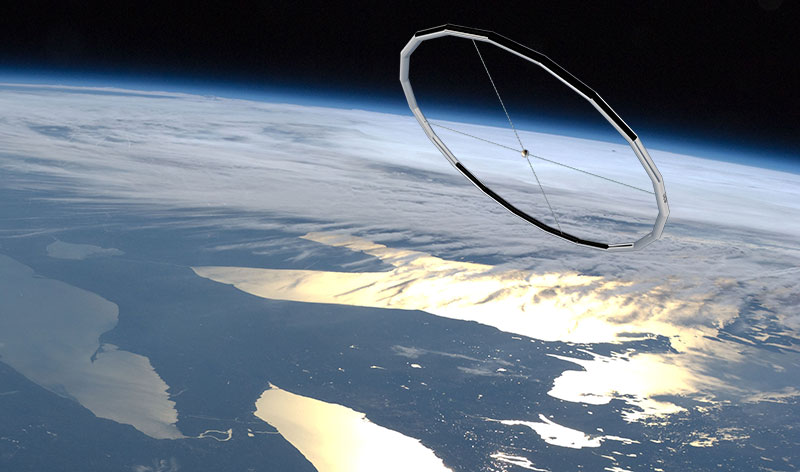
The Greater Earth Lunar Power Station (GE⊕-LPS) feasibility study funded by the European Space Agency and completed in 2023 represented an art-to-reality evolution of artworks that began with the OURS-Orbiting Unification Ring Satellite, the OUR-Space Peace Sculpture and the Millennium SEED space art projects. These orbital artworks which were designed to be deployed in orbit utilizing inflatable space technologies were continuously developed by adding space technologies and became authentic space projects. These projects have been developed by a multinational interdisciplinary collaborative team effort and are now being exhibited in art and science museums.
Arthur Woods, Switzerland – CEO Astrostrom GmbH, Team Leader, Project Manager, Cultural Analyst
Andreas Vogler, Germany – Andreas Vogler Studio, Architect ETH and System Designer
Dr. Patrick Collins, Japan – SBSP, Space Tourism and Economics Expert
Dr. Marco C. Bernasconi, Switzerland – Astronautical Engineer
Dmitrijis Gasperovics, Latvia – Visualizer and Animator
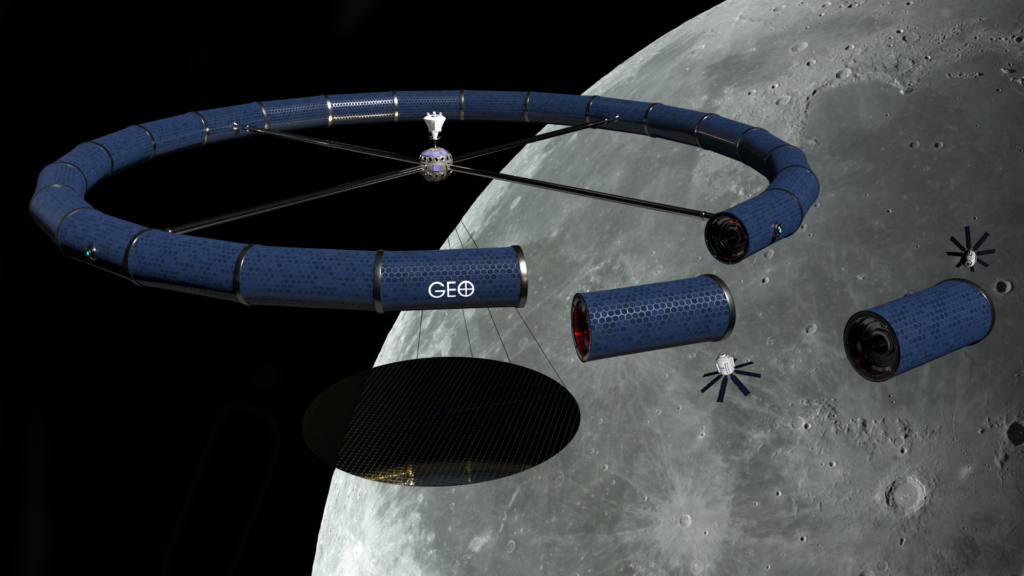
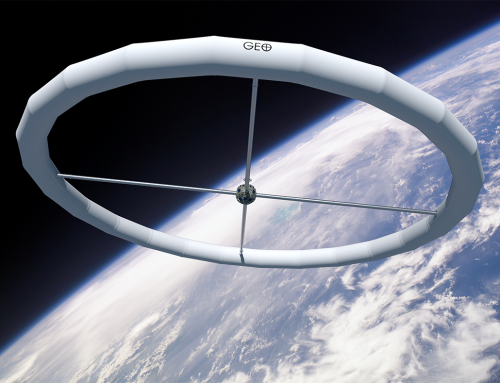
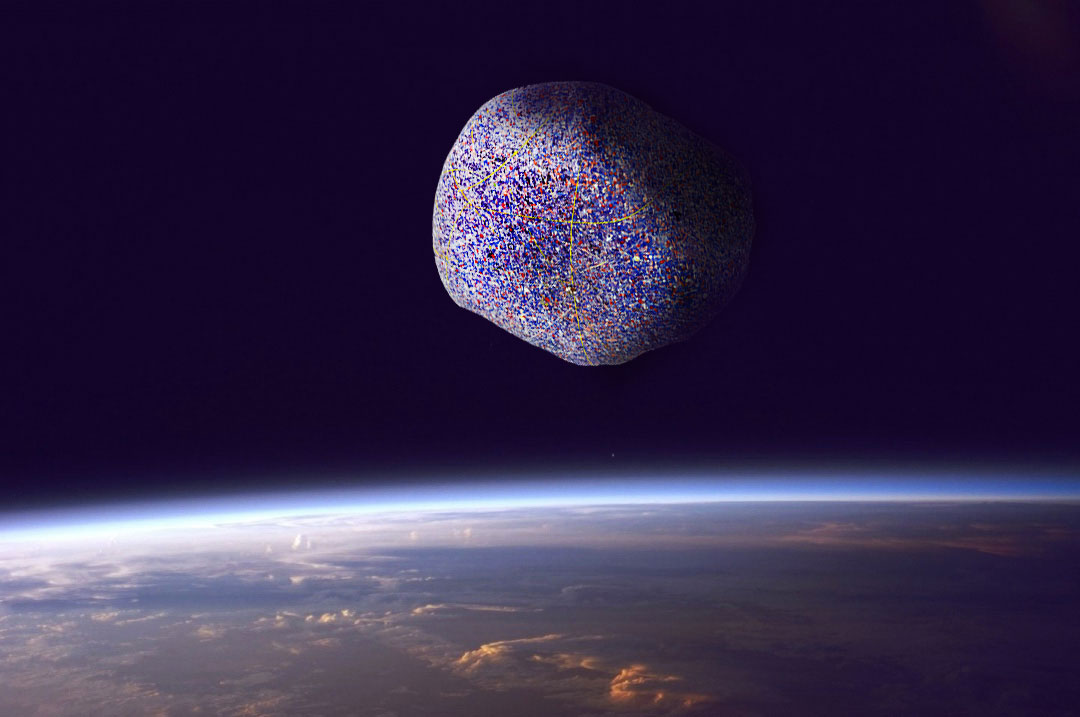
The “Greater Earth Lunar Power Station” (GE⊕-LPS) original concept inspired by the OUR-Space Peace Sculpture
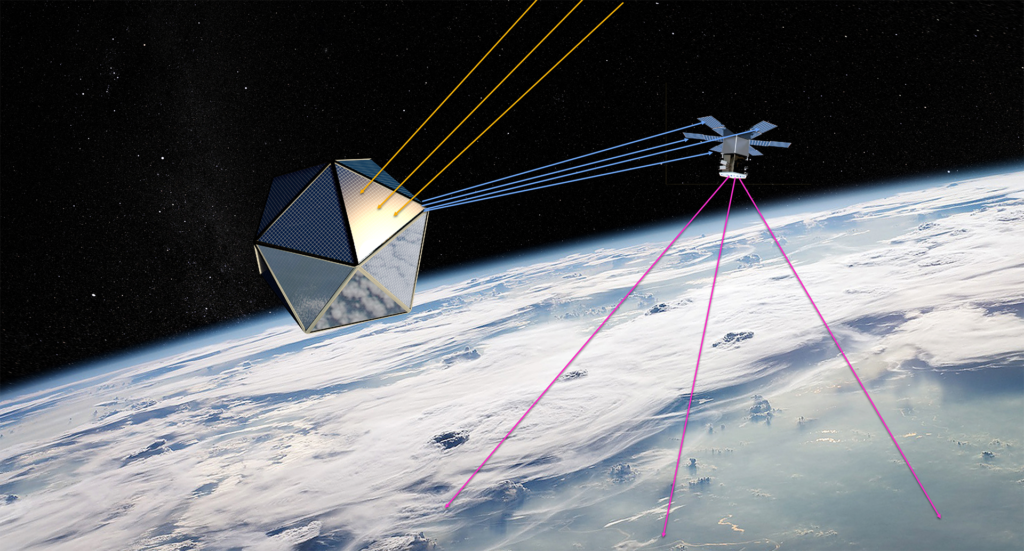
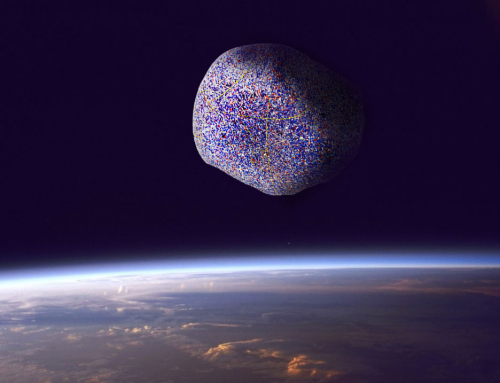
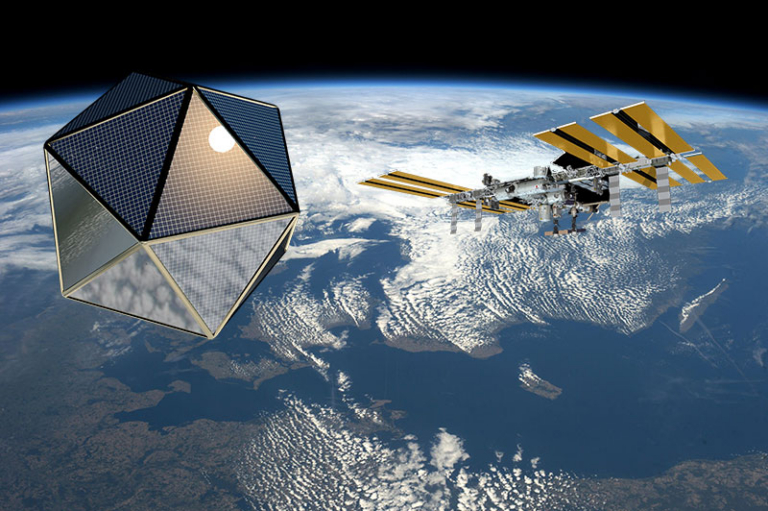
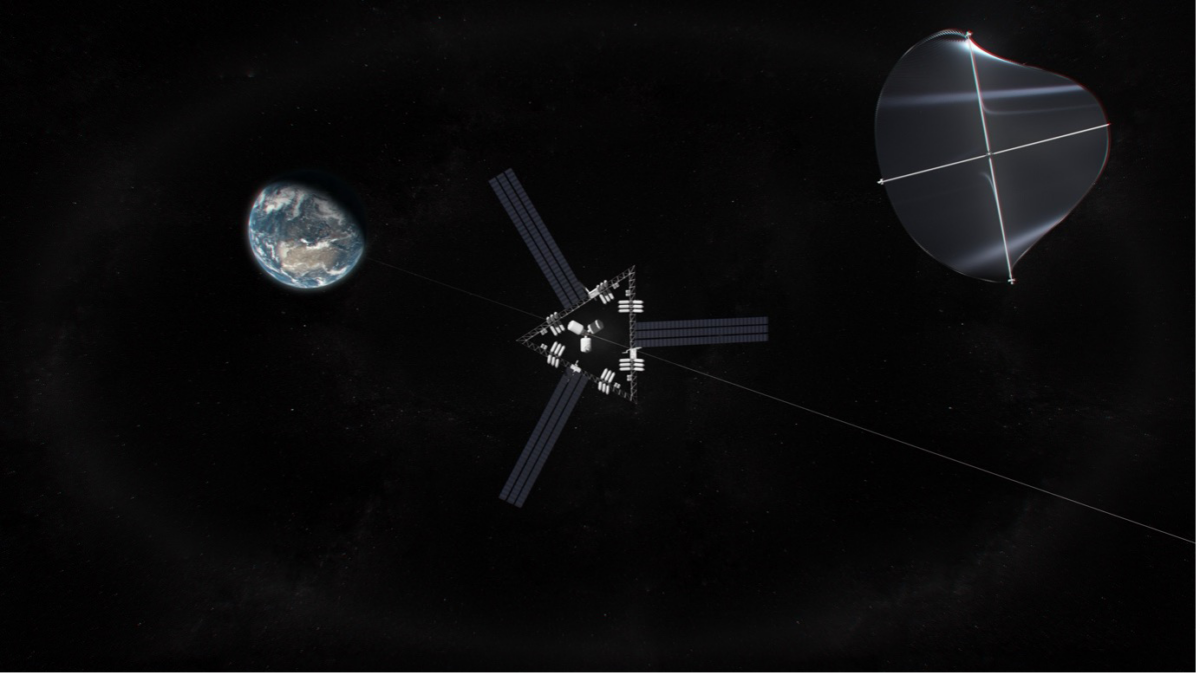
The Space Option Star originally inspired by the Millennium Seed project
These exhibitions bring together two connected areas of space development: the growing international interest to return to the Moon and the potential of Space-based Solar Power to contribute to future clean-energy systems. It is this connection between Earth’s energy needs and the Moon’s potential resources that inspires the exhibition title: Greater Earth Energy Synergies.
Upcoming Exhibition: 2027
WHO
“Greater Earth Energy Synergies” is a multi-year exhibition jointly organised by Astrostrom GmbH Switzerland, (represented by CEO Arthur R. Woods, with Dr. Patrick Collins as co-author,) Andreas Vogler Studio, Munich, Germany, (represented by Andreas Vogler), and Tallinn University of Technology (TalTech), Estonia, (represented by project leaders Dr. Taavi Raadik and Dr. Katriin Reedo). TalTech Museum, Tallinn Estonia (represented by Kelli Luik, who signed the official invitation letter September 8, 2026). Embassy of Switzerland in Riga and the Swiss Honorary Consul in Tallinn (letter of support September 16, 2025).
WHAT
The exhibition connects two threads of space development: the renewed international push to return to the Moon, and the potential of Space-based Solar Power to contribute to future clean-energy systems on Earth. Its scientific core is TalTech’s ESA-supported Monograin Layer (MGL) photovoltaic research, which points toward producing solar cells from lunar regolith, paired with Astrostrom’s ESA-commissioned Greater Earth Lunar Power Station (GE⊕-LPS) feasibility study for Solar Power Satellites built principally from lunar materials. Autonomous, robot-built manufacturing facilities on the Moon creates a unifying narrative. Visitors will encounter large-scale models of the Lunar Solar Power Station and the lunar industrial site, large-format prints, 4K video productions and a functional wireless-power-transmission demonstrator — aimed at students, researchers, industry representatives, policymakers and the public, with the explicit ambition of additional presentations at major international science, technology and art museums.
WHERE
The TalTech Museum in Tallinn, Estonia, is proud to feature the visionary collaboration between Tallinn University of Technology and Astrostrom GmbH. The five-year exhibition will highlight key developments in technology, science, and space research with a focus on Estonian–Swiss collaboration in future-oriented energy solutions. One of the central themes is Space-based Solar Power (SBSP) — an emerging technology that aims to harness clean solar energy in space and transmit it to Earth.
WHEN
The exhibition is confirmed to open in the first half of 2027, with the exact date pending a building renovation at the museum expected to be clarified by the end of October 2026. The exhibition is planned as a long-term installation, running five to seven years. The current partnership and fundraising campaign runs until end of November 2026.
BACKGROUND
Astrostrom’s approach to SBSP aims to enable the in-situ production of advanced components for use in Solar Power Satellites on the Moon, reducing dependence on Earth-launched materials and supporting sustainable space infrastructure.
In the context of the European Space Agency funded study, Astrostrom collaborated with Professor Dr. Taavi Raadik, Department of Materials and Environmental Technology of the Tallinn University of Technology, which focuses on utilizing lunar resources, specifically pyrite (FeS₂), to develop monograin layer (MGL) solar cells directly on the Moon. This unique approach from Estonia has high potential to substantially simplify the production of photovoltaics, not only on the Moon, but also on Earth. The technology is currently being supported by the European Space Agency.
This Estonian-Swiss collaboration shall be comprehensively presented in the TalTech Museum in Tallin. The exhibition shall be supported by large prints, video projections, models and touchable material samples and experiments, to communicate the technical feasibility of the technology to the visitors. The exhibition will be offered to other science and technology museums world-wide.
Previous Exhibition: 2025
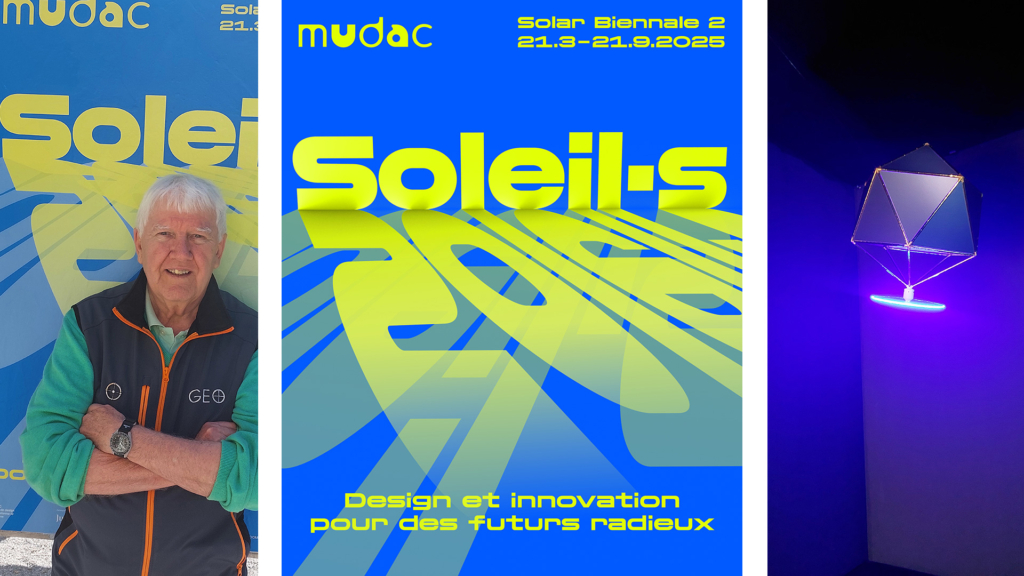
Greater Earth Energy Synergies exhibition at Soleil-s the 2nd Solar Biennale, mudac, Lausanne – 2025
As a participant in Soleil·s – the 2nd Solar Biennale – which took place at the mudac (Musée cantonal de design et d’arts appliqués contemporains) in Lausanne from 21 March to 4 October 2025, Astrostrom presented – Greater Earth Energy Synergies – its vision of harnessing solar energy from space.
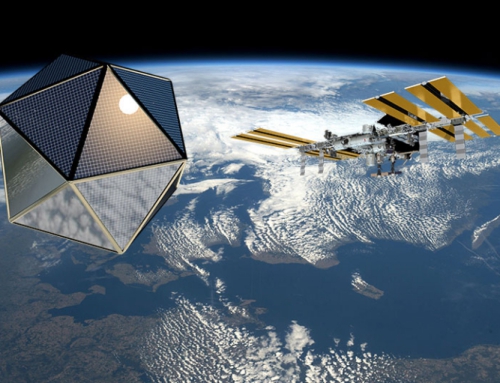
Astrostrom’s exhibition consisted of a large-screen video of its program and a model of its solar power satellite demonstrator concept: the Space Option Star in Equatorial Low Earth Orbit (SOS-ELEO).
Exhibition Website:
https://mudac.ch/en/projects/greater-earth-energy-synergies/
Exhibition Video
Related Posts