Art is Flying to the Moon
Die Kunst fliegt mit zum Mond
by Brigitte Ulmer Published on October 9, 2026
https://www.bilanz.ch/partner-insights/schweizer-kuenstler-thematisieren-den-space/t1vdjr6
This is a translation from the original text in German:
High Potential
Art is Flying to the Moon
Artists are involved in the exploration of space. They send art into orbit, exploring themes of power, resources, and humanity’s desire for expansion.
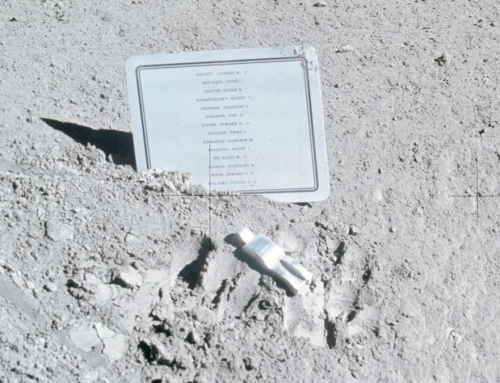
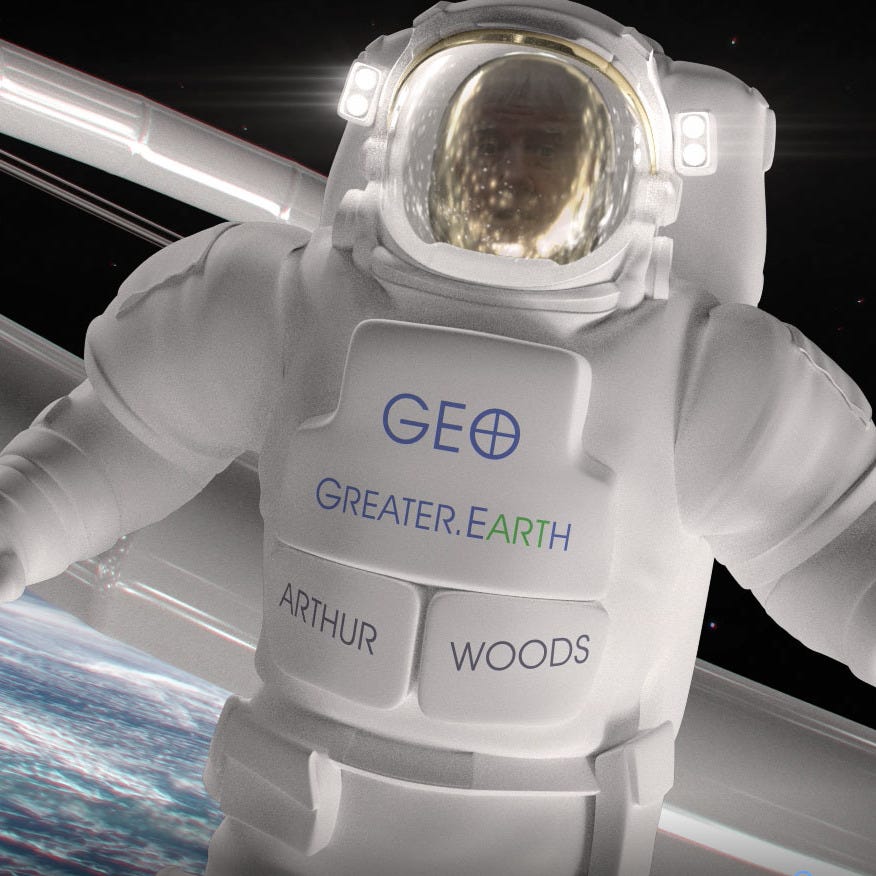
On May 22, 1993, an unmanned supply spacecraft launched into orbit from the Baikonur Cosmodrome in Kazakhstan. Among the provisions, fuel, spare parts, and scientific equipment, something completely useless accompanied it: the aluminum sculpture “Cosmic Dancer” by Swiss-American artist Arthur Woods, roughly 35 centimeters tall and weighing 1 kilogram. When the cosmonauts unpacked it and released it on the Russian space station Mir, a slight push was all it took for it to begin rotating like a balloon. Woods wanted to explore what becomes of a sculpture when its most fundamental law, statics, no longer applies: it transformed into a dancing body.
Thirty-three years later, another art project is set to travel to the moon. American astrophysicist and artist Jack H. Madden is sending a small rock fragment there. It was discovered many years ago in Libya by a collector and, after numerous detours through research institutes, was verified at the University of New Mexico as being of lunar origin. The rock had previously rested on the moon for billions of years before being ejected by an asteroid impact and landing on Earth.
The exploitation of raw materials is addressed.
Now Madden is bringing it back to its origin. His “Lunar Sample Return 1 (LSR-1)” is a performance with political undertones: “I hope that this fragment of lunar dust can be a symbolic point of reference for further discussions about how we want to treat extraterrestrial land respectfully and what the future of the moon should look like,” says Madden.
Madden belongs to a new generation of artists for whom space is no longer just a motif, but also the material and setting of their work. It’s about materials, ownership, and power – and about what lies behind the glittering surface of the new space age.
The Kongo Astronauts vividly illustrate how commercial expansion into orbit is linked to the exploitation of raw materials. Founded in Kinshasa in 2013, the artist collective presents an astronaut walking through the city: clad in a spacesuit made of electronic components, cables, and antennas. Michel Ekeba, who embodies the figure, buys the parts at markets in Kinshasa. The astronaut thus literally carries the material costs of the digital future on his body. He represents both a new beginning and technological progress – and simultaneously the raw materials, waste, and global power structures upon which this progress is based.
Artists have long grappled with the question of our relationship to the sky. James Turrell transformed it into a space of perception, Olafur Eliasson translated cosmic phenomena into physical experiences, and Sylvie Fleury deconstructed the male myth of space conquest with her candy-colored or faux-fur-covered rockets.
Swiss artist Raphael Hefti brings the cosmos down to Earth. For his “Stardust Cube Starmix,” he filled 150 glass tubes with natural noble gases and now illuminates them in all colors. His shimmering stream stretches 12 meters through the stairwell of the Zurich Children’s Hospital.
One hundred works of art for the Moon
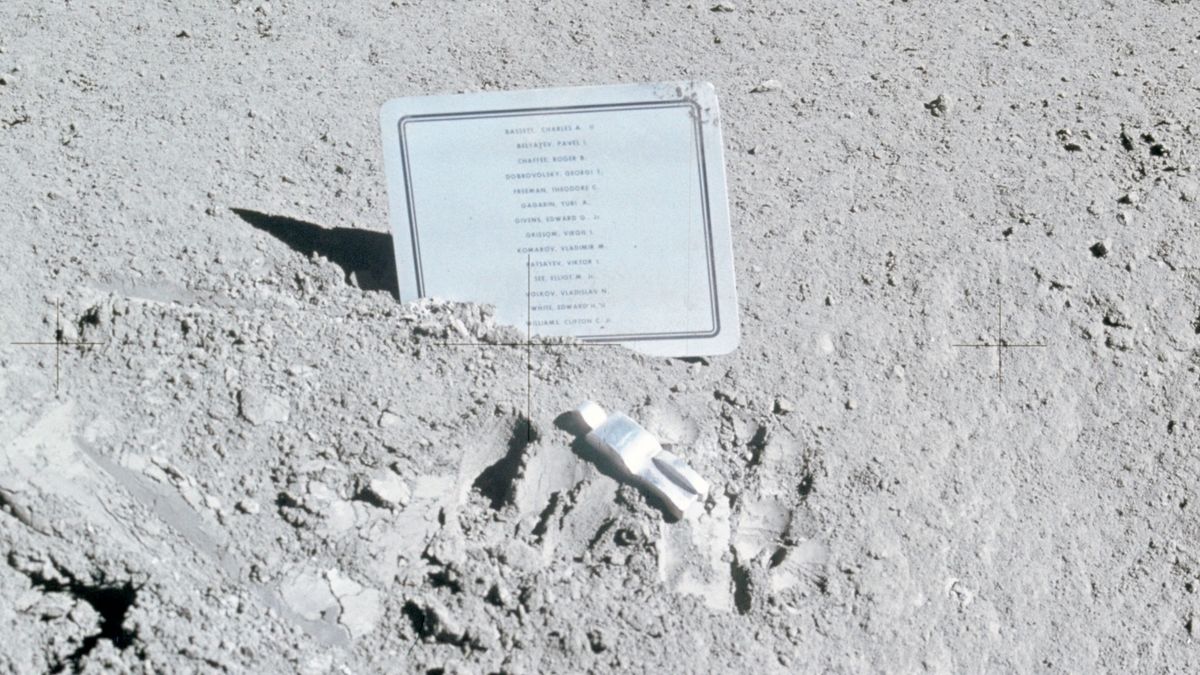
The Dutch Moon Gallery Foundation aims to bring art into space and ultimately to the Moon. To achieve this, it is collecting tiny artworks, each fitting into a cube of just one cubic centimeter. Its plan is to create a collection of one hundred artworks to remain permanently on the moon – a cultural time capsule that captures how humanity, at the dawn of its expansion into space, thought about itself, its world, and its future.
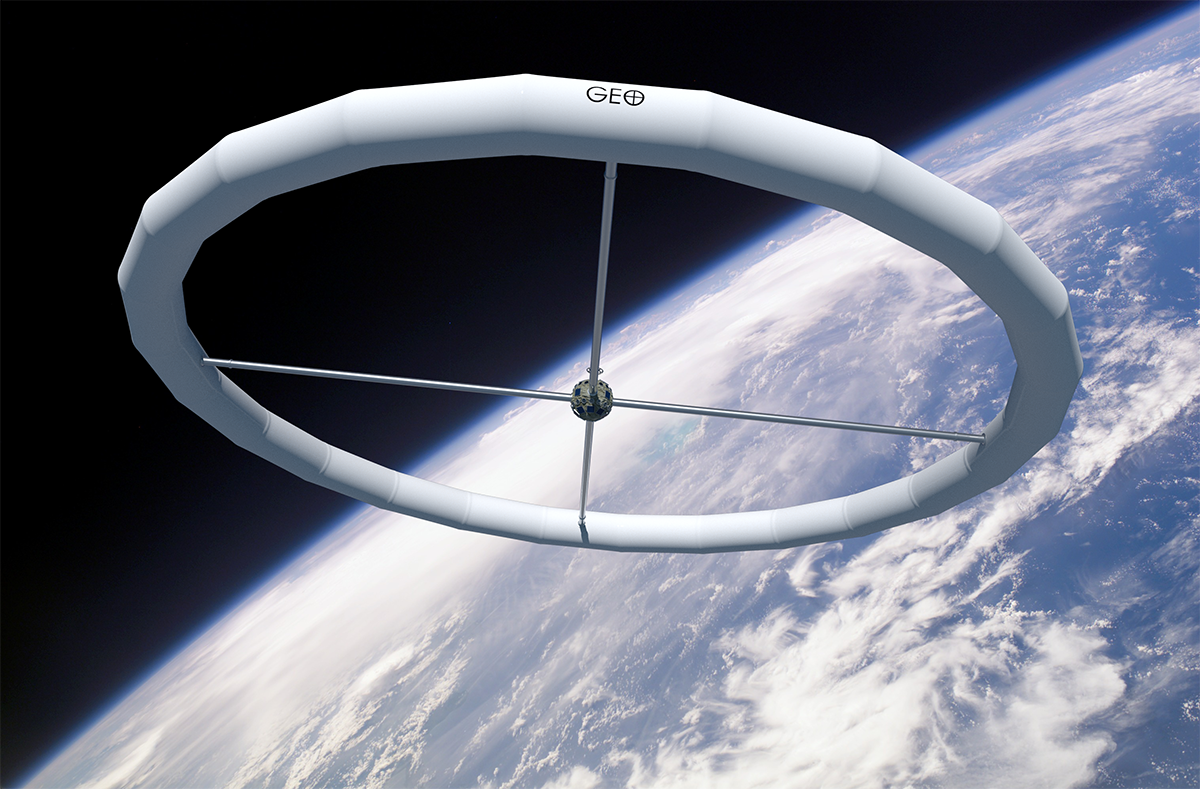
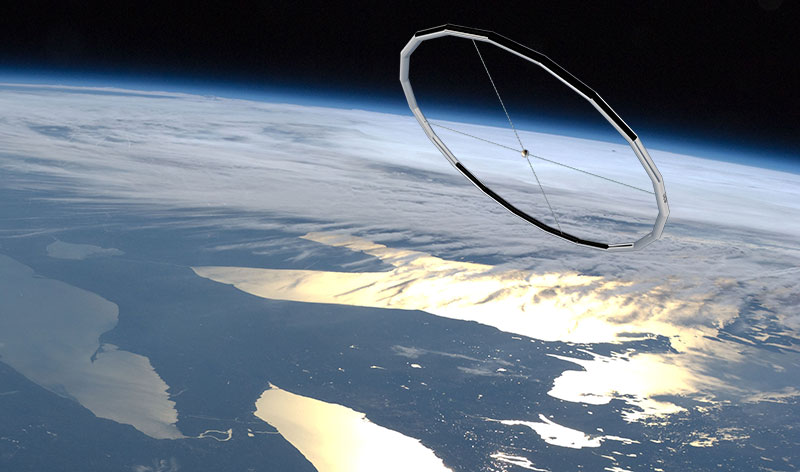
The Congolese astronauts are now also part of this lunar mission. For Moon Bound, the Moon Gallery’s next lunar mission, they created “Tantalum Ring.” The title refers to tantalum, a raw material essential to the electronics industry. The project raises the question: What stories of exploitation and dependency do we take with us when we venture into space?
While space exploration searches for water, raw materials, and new business opportunities on the moon, art poses a different question: What do we actually want to leave behind on the moon? The moon thus becomes a mirror reflecting how we treat our own world.
Related Posts